








Introduction
Web hosting is like renting a home for your website on the internet. Just like you need a place to live, your website needs a server to stay online so people can visit it anytime.
There are different types of hosting. Some are cheap and shared with many people, like living in a big apartment building. But when your website grows big or needs to be super fast and safe, you need something better. That’s where a dedicated server comes in!
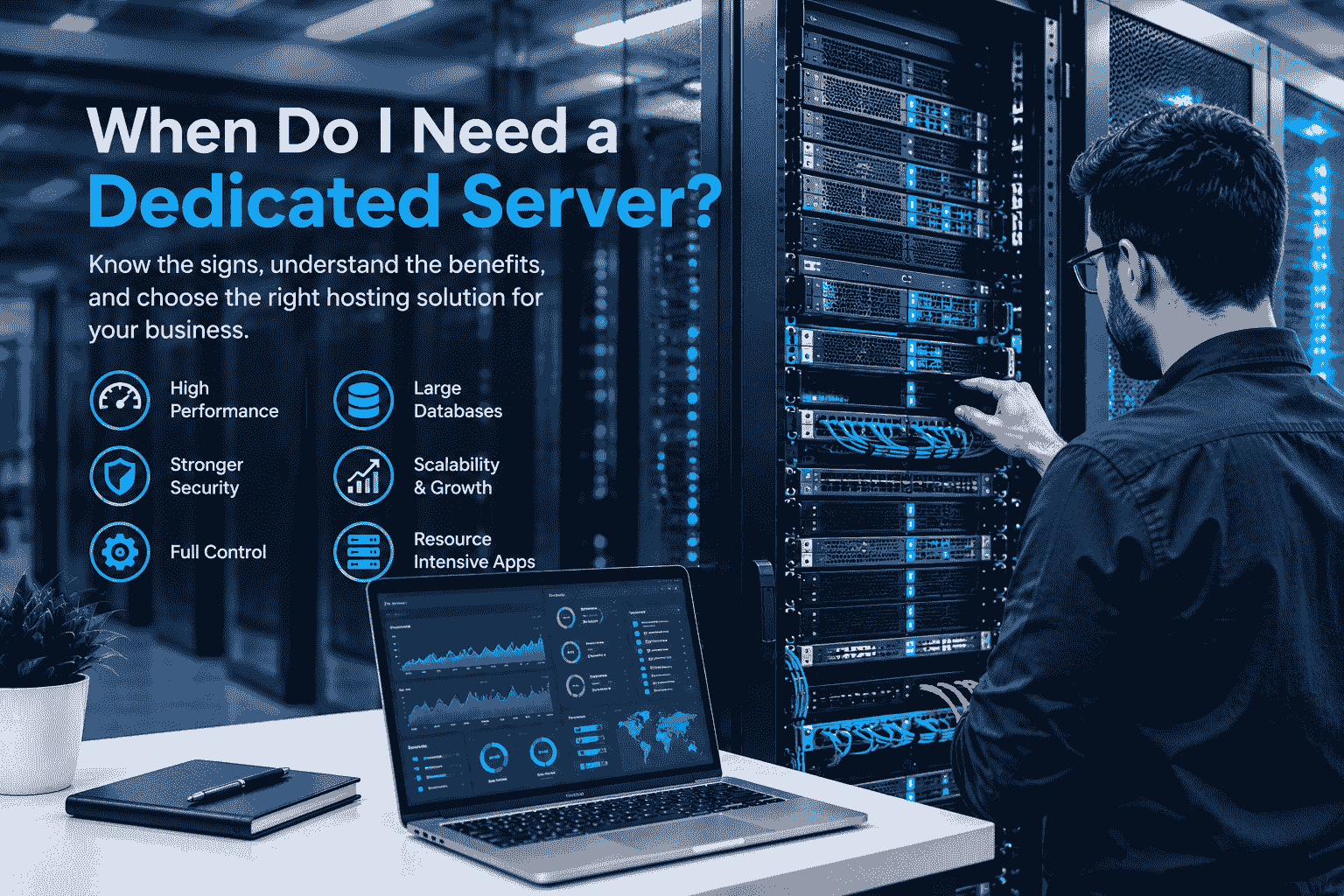
A dedicated server is like having your own big house all to yourself. No one else shares it. This makes it powerful, fast, and very safe. Big companies, online shops, and game makers love dedicated servers because they give high-performance server power.
In business and technology today, many people use dedicated servers for important work. They help websites handle lots of visitors without slowing down. They also keep data very secure. If you want the best business hosting solutions, a dedicated server is often the top choice.
What is a Dedicated Server?
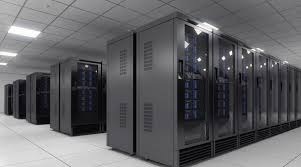
A dedicated server is a special computer (called a server) that one person or one company rents completely. It is not shared with anyone else. You get the whole machine just for your use.
Think of it this way:
- Shared hosting—like many people living in one big house. Everyone shares the kitchen, bathroom, and electricity. If one person uses too much water, others get less.
- VPS hosting—like apartments in a building. Each person has their own apartment, but they share the building’s main power and water.
- Dedicated server—like your own private house. You control everything: the lights, the fridge, and the doors. No one else touches it.
Because it is an exclusive server, you get all the resources (like power and space) only for yourself. This means full control, high reliability, and better security.
No other websites can slow yours down. Your dedicated machine works only for you. This is called dedicated hosting.
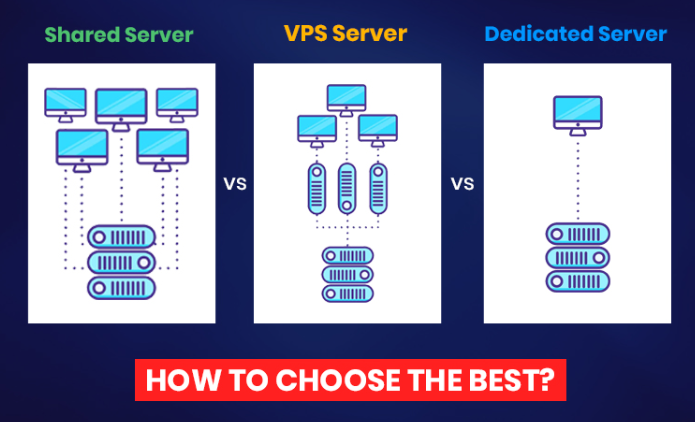
These images show simple pictures comparing shared, VPS, and dedicated hosting. See how being dedicated gives you the full server!
How Does a Dedicated Server Work?
A dedicated server works like a strong computer that never sleeps. It stays on 24 hours a day to serve your website or app.
First, the hardware:
- CPU (Central Processing Unit)—This is the brain. It thinks and does work fast.
- RAM—This is short-term memory. It holds things you are using right now so they load quickly.
- Storage—like a big cupboard. It can be HDD (cheaper, slower) or SSD (faster, like a super quick drawer).
- Network—This connects the server to the internet with fast cables.
The server has an operating system, like Linux (free and popular) or Windows Server (good for some apps).
You can install software, like a website program (WordPress) or a game server tool. Many use control panels (easy buttons) to manage things without being a computer expert.
How data flows:
- Someone types your website address in their browser.
- The request goes over the internet to your dedicated server.
- The server quickly finds the page or data.
- It sends it back super fast.
Because you have all resources, it handles many requests easily.
You manage it from far away using tools like
- SSH (for Linux, like a secret command line)
- Remote Desktop (for Windows, like seeing the screen)
- Or simple control panels.
This is remote server access. It gives you server management power from your home computer.
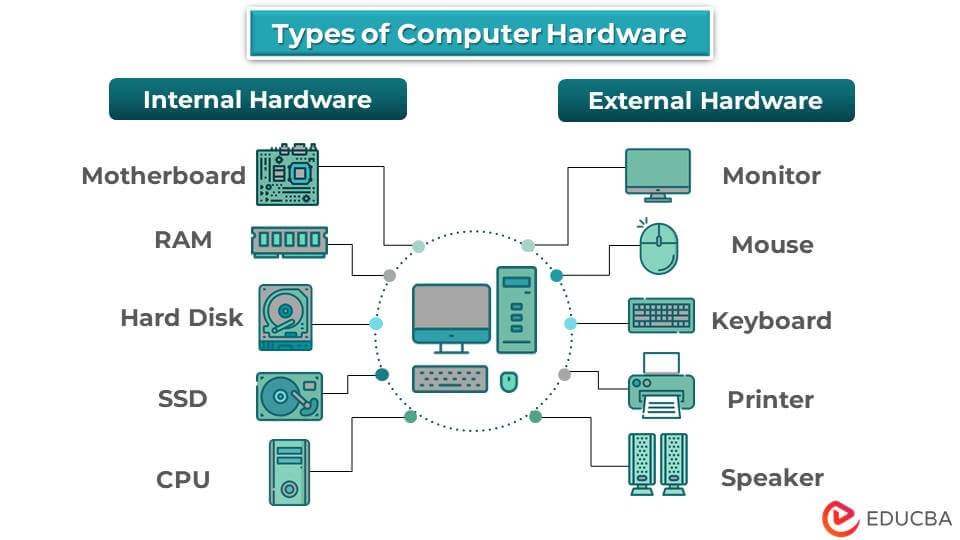
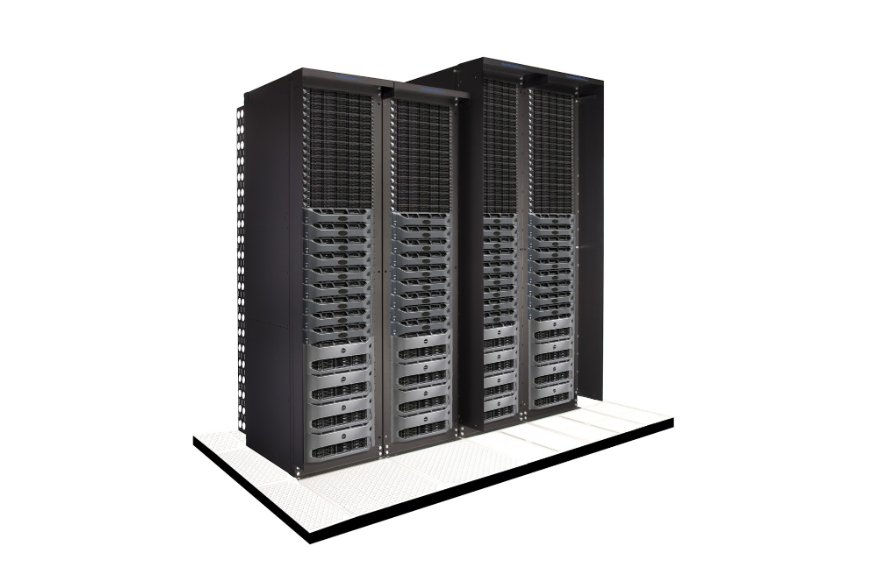
These show computer hardware parts like CPU, RAM, and storage—the same things in a dedicated server!
Types of Dedicated Servers
There are different kinds of dedicated servers.
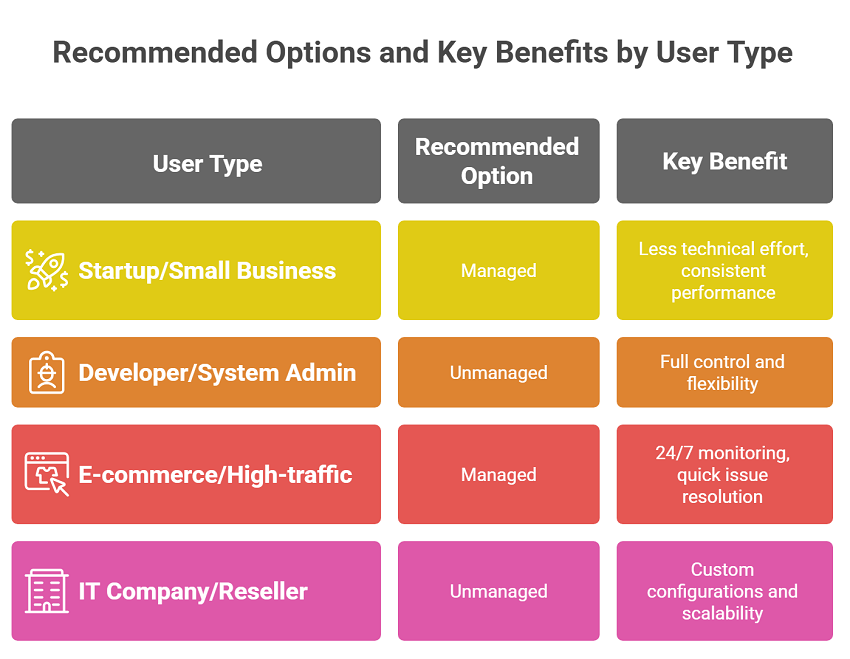
First, managed vs. unmanaged:
- Managed dedicated server—The hosting company does all the hard work. They fix problems, update software, and keep it safe. You just use it. Good if you are not a tech expert.
- Unmanaged dedicated server—you do everything yourself. You set it up, update it, and fix issues. You get more control but need to know computers well.
Second, where the server is:
- On-premises—You buy the server and keep it in your office or home. You control everything, but you pay for power, cooling, and internet.
- Data-center hosted—The server lives in a big, safe building (data center) run by a dedicated hosting provider. They give fast internet, backup power, and security. Most people choose this.
This image shows the managed and dedicated differences.
Advantages of Dedicated Servers
Why do people pick dedicated servers? Here are the main benefits:
- High performance and speed—Your site loads very fast because no one shares resources. Great for high-traffic websites.
- Full control—you decide what software to install, how to set security, and everything.
- Enhanced security—Since it’s only yours, hackers have a harder time. You can add strong walls (firewalls) and keep sensitive data safe. Perfect for secure web hosting.
- Scalability—As your business grows, you can add more power easily. No need to move to a new place.
- Server reliability and uptime—Dedicated servers usually have almost 100% uptime. Your site stays online always.
Other perks: Better for enterprise hosting, high server uptime, and remote server management.
Common Uses of Dedicated Servers
Dedicated servers are used for many things:
- Hosting large websites and e-commerce platforms—online shops with thousands of visitors every day need fast loading. Dedicated servers make shopping smooth.
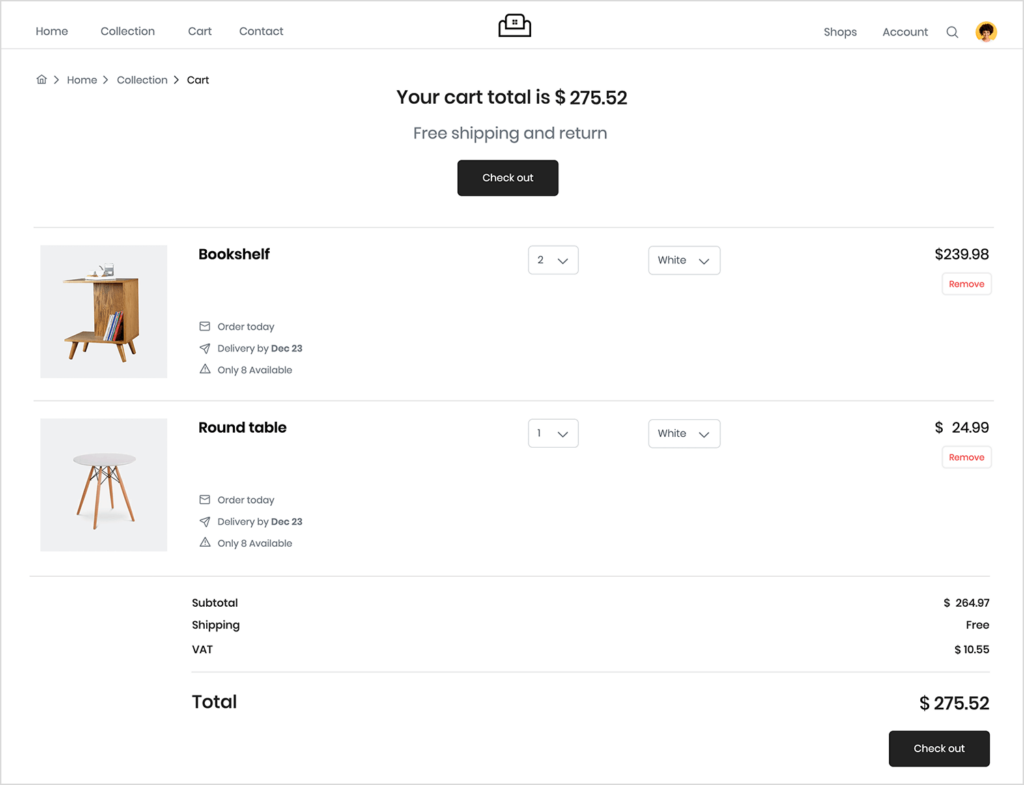
These show e-commerce shopping carts—dedicated servers power big online stores!
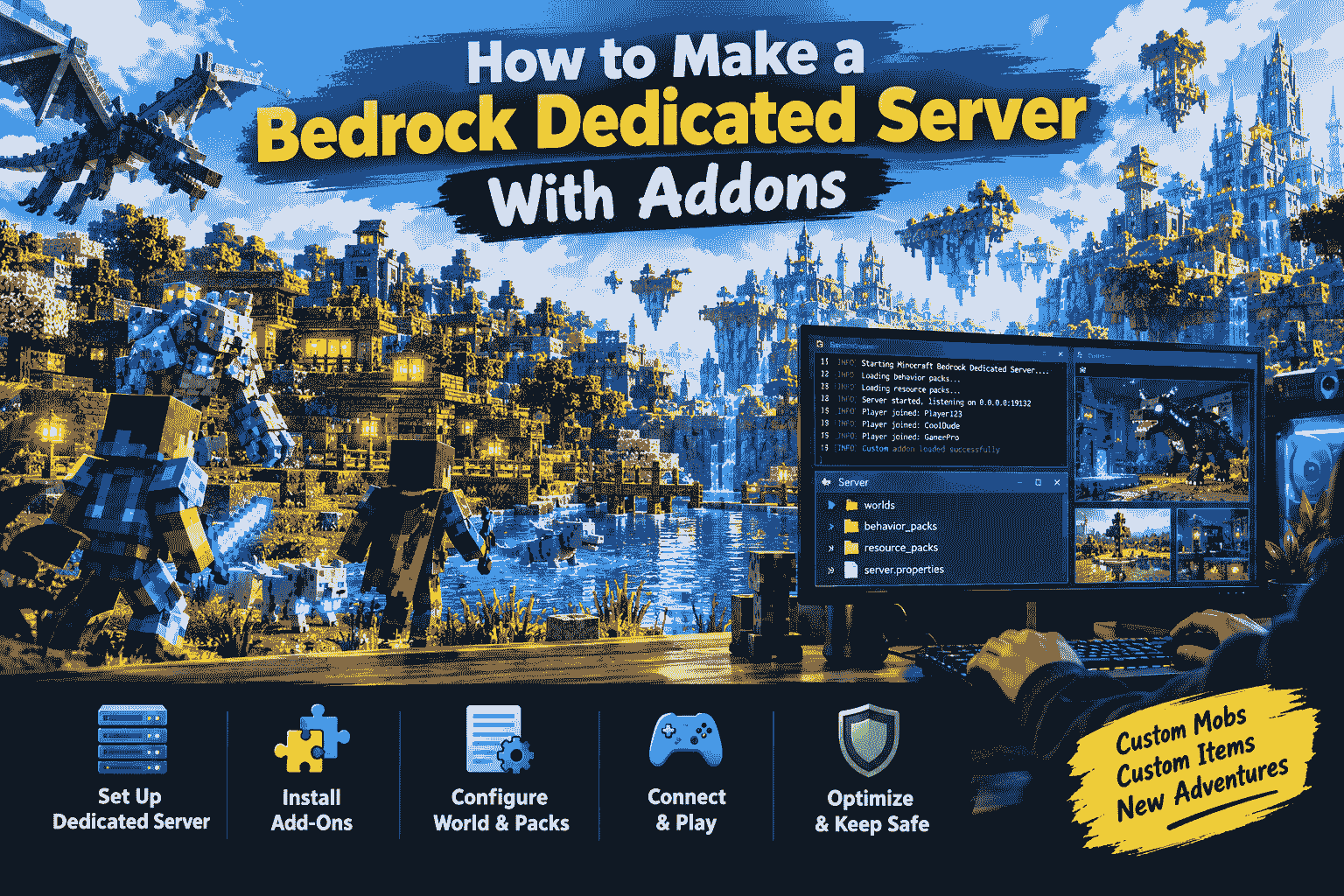
- Game servers—for online games like Minecraft or big multiplayer games. Players from everywhere connect without lag.
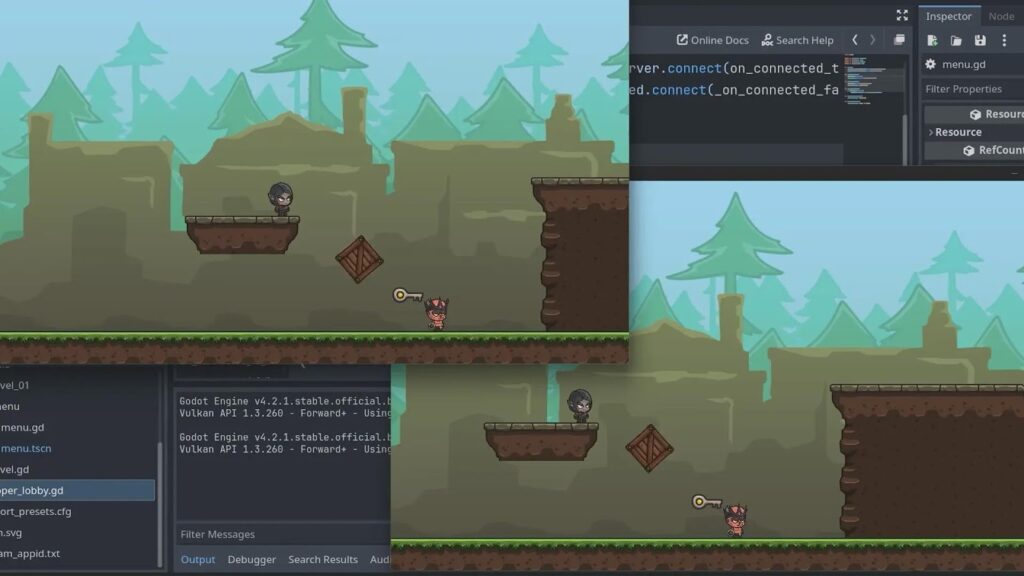
This shows a game scene that needs a good server.
- Database hosting and data analytics—Big companies store lots of data and study it. Dedicated servers handle heavy work.
- Email servers—Companies run their own email systems safely.
- Hosting applications with high traffic—apps or sites with many users, like video streaming or forums.
These are common in enterprise applications and game server hosting.
How to Choose the Right Dedicated Server
Picking a dedicated server is like buying a new bike. Think about what you need!
Factors to consider:
- Server specifications—Pay attention to CPU (how many cores?), RAM (minimum 16 GB or more for big sites), and storage (SSD is faster than HDD).
- —Bandwidth and network speed—How much data can flow? Good for high-traffic sites.
- Choose managed—if you want some help—or unmanaged, for full control.
- Budget—Dedicated servers are more expensive than shared servers, but worth the cost for larger needs.
Also think about the dedicated hosting provider—do they have good support? Fast internet? Safe data centers?
Use this server selection guide: List your needs first (like how many visitors and what apps), then match specs.
These images give checklists and tips for choosing the right dedicated server.
AvenaCloud Dedicated Server Pricing Table
| Plan Name | CPU | RAM | Storage | Bandwidth | Price (per month) | Link |
|---|---|---|---|---|---|---|
| Basic | 4 vCPU | 8 GB | 500 GB HDD | 5 TB | $79 | View Plan Dedicated Server |
| Standard | 8 vCPU | 16 GB | 1 TB SSD | 10 TB | $149 | View Plan Dedicated Server |
| Advanced | 16 vCPU | 32 GB | 2 TB SSD | 15 TB | $249 | View Plan Dedicated Server |
| Enterprise | 32 vCPU | 64 GB | 4 TB SSD | 20 TB | $399 | View Plan Dedicated Server |
Why Choose AvenaCloud Dedicated Servers?
- High-Performance Hardware
Their servers use the latest CPUs, SSD storage, and high bandwidth, ensuring low latency and fast processing. - Full Root Access
Complete control over your server environment for custom configurations and software installations. - Robust Security
DDoS protection, firewalls, and regular backups ensure your data and applications are safe. - Scalability
Easily upgrade CPU, RAM, or storage as your business grows. - 24/7 Customer Support
Experienced technical support is available around the clock to handle any server issues. - Global Data Centers
Multiple data centers ensure high uptime, fast connectivity, and geographic redundancy.
Conclusion
A dedicated server is basically a powerful computer on the internet solely for your use. It is fast, secure, and entirely in your hands. It doesn’t have neighbors that slow it down, like shared or VPS.
Dedicated servers are essentially critical for businesses looking for performance, control, security, and reliability. They help large websites and games, shops, and apps operate seamlessly. They offer dedicated hosting advantages such as uptime and scalability.
If you have a growing website or app, consider upgrading to a dedicated server. It is a solid server and business hosting option as well.
Let us start with checking your hosting needs today. Perhaps a dedicated server is your secret ingredient for success!
Recommended Post:


One thought on “What is a Dedicated Server? How It Works and Its Uses”