


Pretend you’re at home, wanting to watch a fun cartoon, play an online game with friends, and do school homework using videos. You need a fast internet connection to make all that happen seamlessly! Broadband internet is the name given to this type of rapid internet. It is literally a superhighway, like information is going to your computer, phone, and TV.
Today, the majority of consumers rely on one of three primary kinds of broadband: cable, DSL, and fiber. These are various ways in which companies deliver internet to your home. Cable uses TV cables, DSL uses old phone lines, and fiber runs on special glass cables with light. We will explain each of them in plain language, check them out for their pros and cons, and help you choose the right one. This article is very easy to read and understand, but it may be more understandable for a class eight student.
What is broadband Internet?
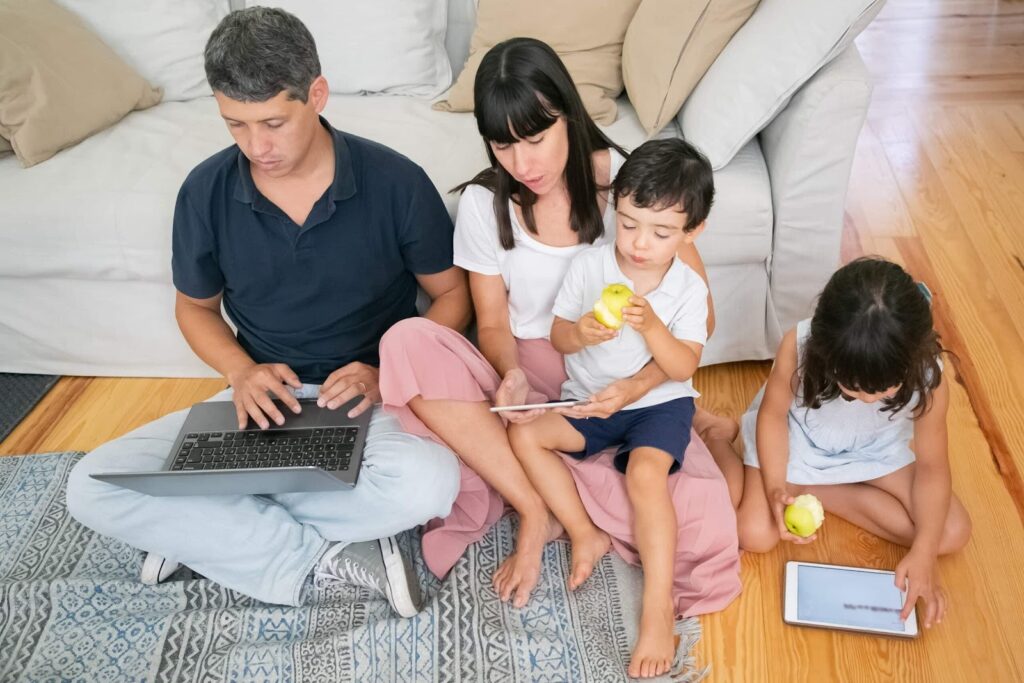
Broadband internet refers to a fast and always-on connection to the internet. It’s not old, slow dial-up that made funny sounds and locked up the phone. Broadband enables downloading large files, binge-watching movies, and speaking with friends in video calls without a hitch.
In everyday life, we use broadband for:
- Watching YouTube or cartoons
- Playing games like Roblox or Minecraft online
- Doing schoolwork with Google Classroom
- Video chatting with family far away
- Listening to music on Spotify
High-speed internet is critical now that almost everything (school, shopping, fun, even doctor visits) is online! Slow internet can be frustrating, like a video that freezes every few seconds.
Understanding Cable Internet
What is Cable Internet?
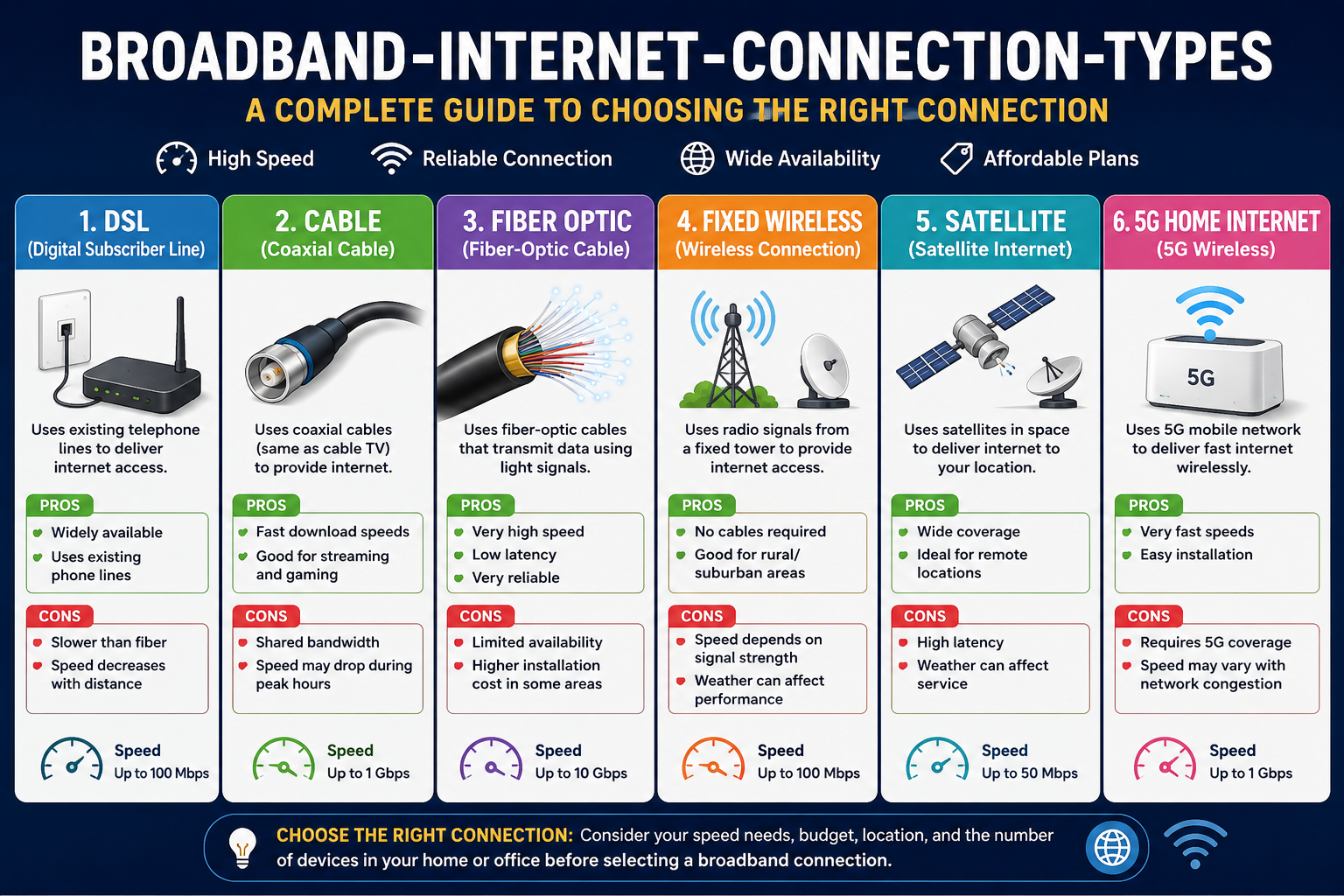
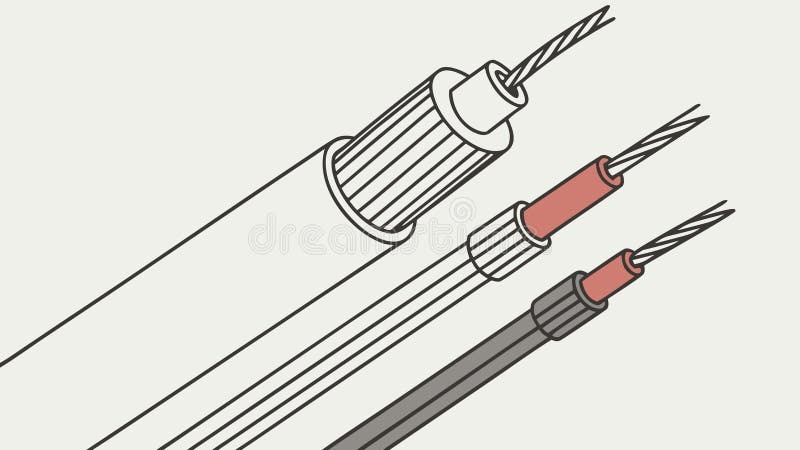
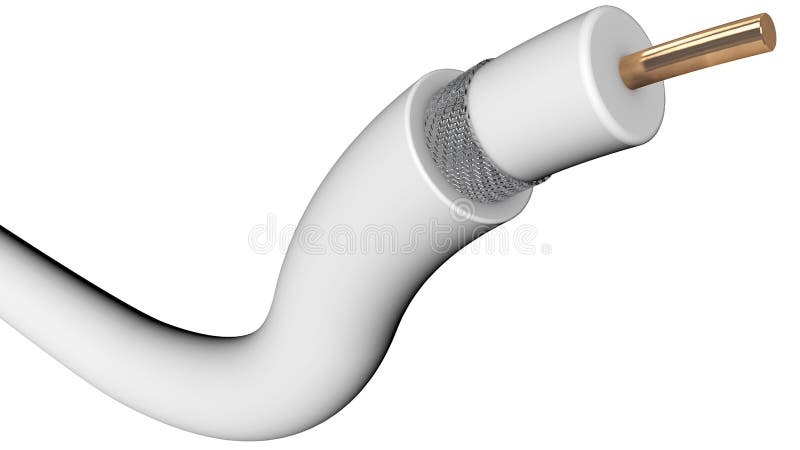
Cable internet comes through the same wires that bring TV channels to your home. These are called coaxial cables—thick, round cables with metal inside.
How it works
Television signals travel with any data (such as video or web pages) that the internet company transmits through these cables. A modem inside your house converts the signal so that your devices can tap into it. The huge cable line in your area is shared by most of the houses.
Advantages (Good things)
- It is fast! Many plans give 100 to 1000 Mbps download speed—enough for many people watching videos at once.
- It is available in lots of places, especially cities and towns with cable TV.
- You can often get it with TV or phone bundles.
Disadvantages (Bad things)
- Many neighbors share the same cable, so if everyone watches Netflix at night, it gets slower (called congestion).
- Upload speed (sending files) is slower than download speed.
- It can have small delays sometimes.
4. Understanding DSL Internet
What is DSL Internet?
DSL means Digital Subscriber Line. It uses the same old copper phone lines that your grandma used for calling.
How it works
On a phone line, the internet signal goes alongside your voice calls. Particular filters make certain the web does not disrupt phone calls. A modem connects your computer to the line. It’s like using an old road for fast cars—it works, but not super-fast.”
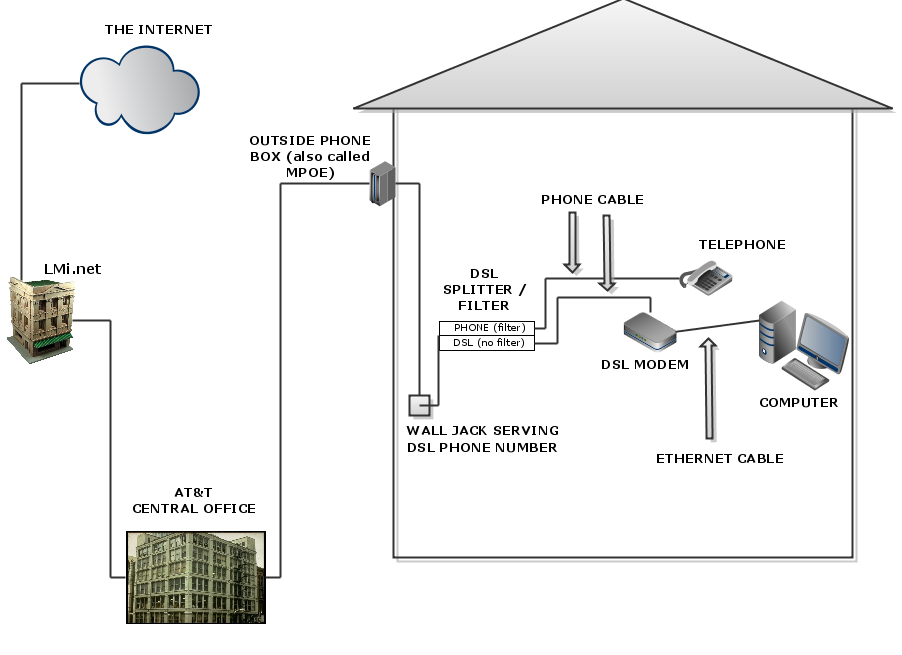
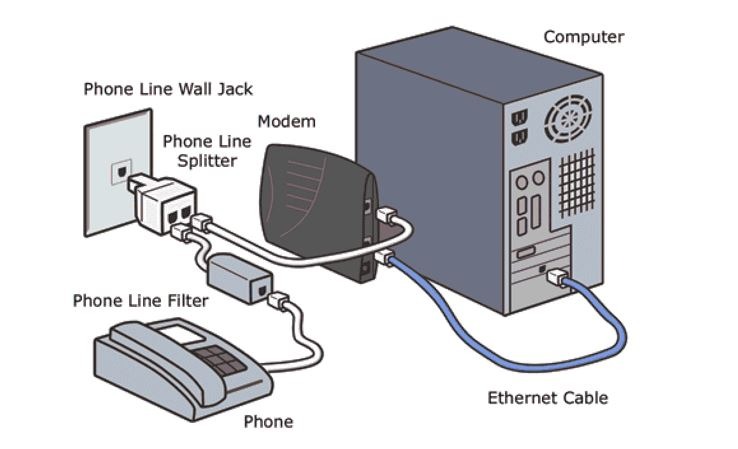
Different types of DSL technologies are available for Internet connections.
Advantages (Good things)
- It uses dedicated lines—your speed does not slow down if neighbors use the internet.
- Speeds stay steady most of the time.
- It is cheaper and available in many rural areas where no cable or fiber exists.
Disadvantages (Bad things)
- Speeds are slow—usually 5 to 100 Mbps, and often less.
- Speed drops a lot if your house is far from the phone company office (distance limit).
- Upload is very slow, bad for sending big videos.
Understanding Fiber Internet
What is fiber optic internet?
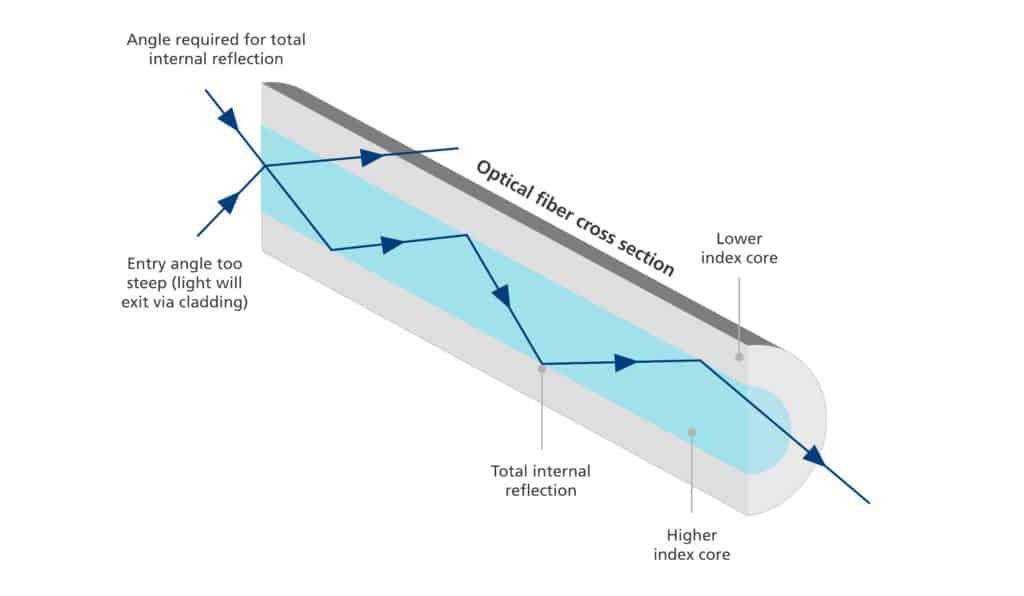
Fiber uses super-thin glass strands called fiber-optic cables. Light carries the internet data!
How it works
A laser sends light pulses through the glass. The light bounces inside the cable like in a mirror tunnel and travels very far without getting weak. This makes it super fast and clear. It is like sending messages with flashlights through a perfect pipe.
Advantages (Good things)
- Extremely fast—up to 1000 Mbps or even 10,000 Mbps! Upload and download are the same speed.
- Very low delay (low latency)—great for gaming or video calls.
- Super reliable—not affected by weather or neighbors much.
- Future-proof for new tech.
Disadvantages (Bad things)
- Not available everywhere yet—mostly in cities, expanding slowly.
- Can cost more to start, though prices are coming down.
Cable vs DSL vs Fiber: A Comparison
Let us compare them side by side in simple terms (based on 2025-2026 info).
Speed
- Cable: Download 100-1000 Mbps, upload slower (10-50 Mbps)
- DSL: Download 5-100 Mbps, upload very low (1-20 Mbps)
- Fiber: Download and upload 200-10,000 Mbps or more—symmetric and the fastest!
Reliability
- Cable: Good, but slows in busy times.
- DSL: Steady but slow.
- Fiber: Best—very stable, low problems.
Availability
- Cable: Wide, about 80-88% of places.
- DSL: In many older areas, but declining.
- Fiber: Growing fast (over 60% in the US, more coming), but not everywhere yet.
Cost (monthly plans, approx.)
- Cable: $50-100
- DSL: $20-60 (cheapest)
- Fiber: $50-120 (value for speed, prices dropping)
Latency (delay)
- Cable: 15-35 ms
- DSL: 25-50 ms
- Fiber: 1-10 ms (best for games!)
Here is a simple chart idea from comparisons:
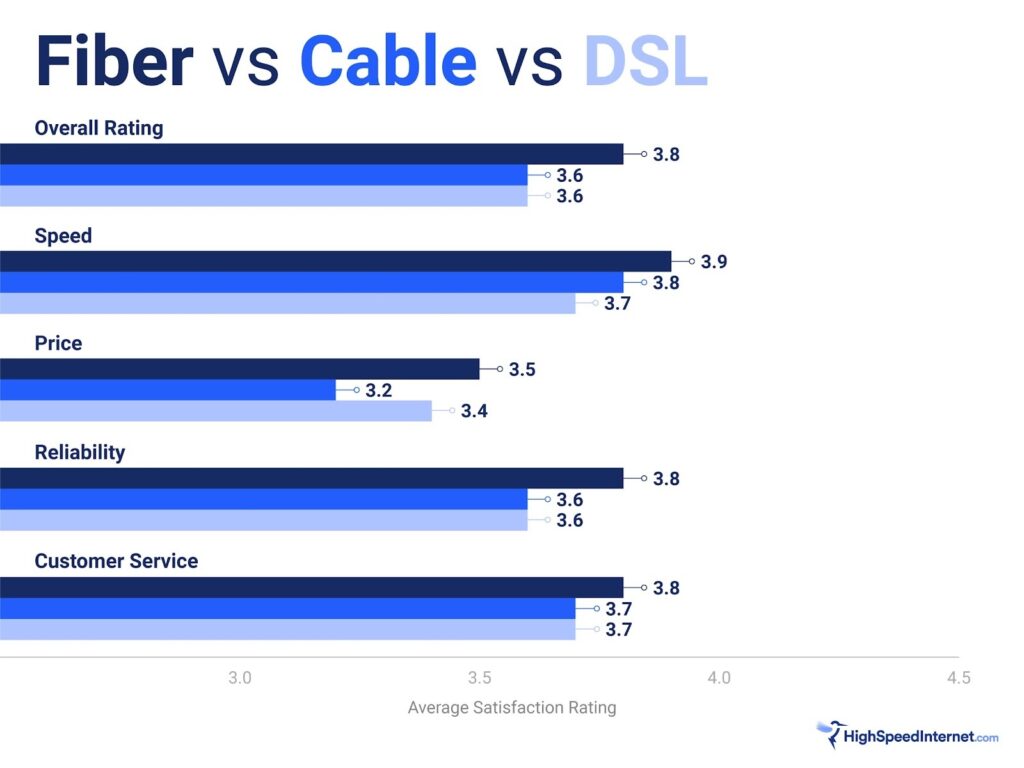
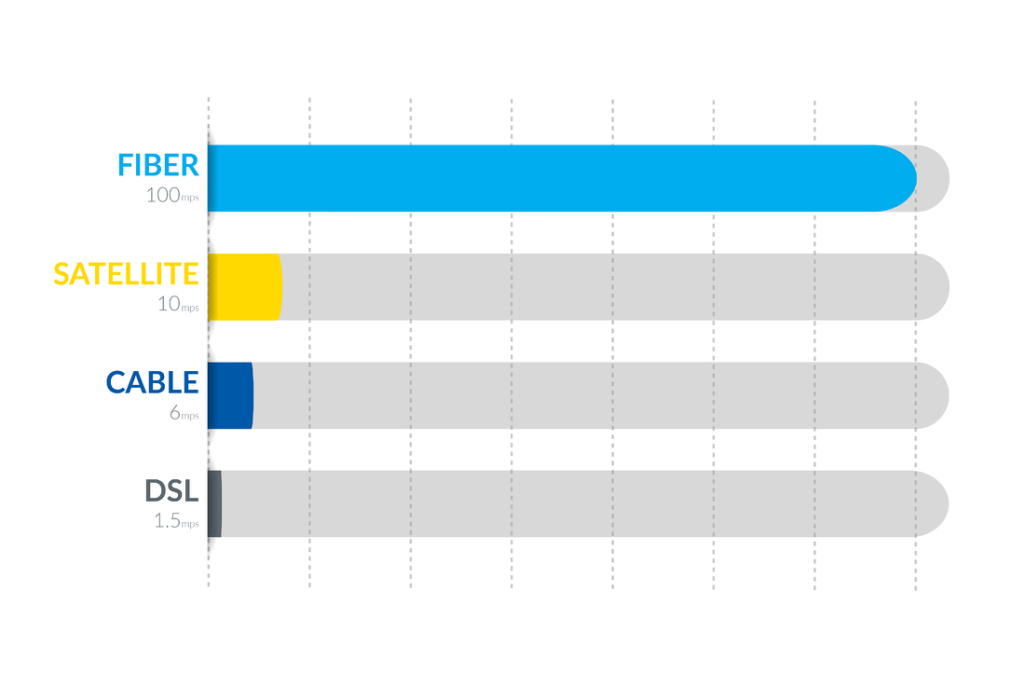
Fiber wins in speed and reliability, cable in availability, and DSL in low cost for basic use.
Which One Should You Choose?
Think about these things before picking:
- Where do you live? If fiber is there, choose it! If not, the cable is good. DSL if nothing else.
- What do you do? Casual browsing or light videos → DSL or cable. Streaming 4K, many devices, gaming → Fiber or good cable.
- Budget? DSL is cheapest for basics. Fiber is the best value long-term.
Best for:
- Casual use (email, school sites): DSL or basic cable.
- Heavy gaming/streaming/family with many devices: Fiber is best, cable next.
- Work from home or big uploads: Fiber (symmetric speeds).
Check your area on provider websites!
Future of Broadband Internet
(Broadband speeds increase every year.) Fiber is spreading fast—lots of new cables are being laid, and soon most places will get it. Because it takes big data for AI, VR, and smart homes.
5G (high-speed mobile internet) is growing as well, for either phones or homes without wiring. But for home, fiber is still the reigning champion because it’s reliable and extremely fast. Coming Soon: Fiber and 5G Combined Internet Everywhere Will Be Awesome.
Companies continue to improve—speeds increase, and prices might decrease further.
Conclusion
We learned about three broadband types:
- Cable—Fast and common, but shared with neighbors.
- DSL—Uses phone lines, cheap but slow and limited.
- Fiber—Uses light in glass; it is the fastest, most reliable, and fastest-growing.
If fiber is in your area, go for it—it is like a supercar! If not, cable is a good choice for most families. DSL works if you just need basic internet.
Pick based on your needs, location, and budget. Fast internet makes life fun and easy—for school, games, and family time!