








Introduction
When you live so far away from anywhere else, even satellite internet can seem like a miracle. But what about in places far from urban areas or out in the boondocks? A regular wired type of internet can’t go there either. Yet, satellites in space can send out signals that reach almost anywhere! This kind of thing now allows schoolkids to do their homework online, allows families to watch movies from all over the world together, and allows people who work out in the sticks to have video calls. More and more people need high-speed internet for school work as well as job related duties-and of cours, and of course,e entertainment. But for now, there are places still living in the dark ages without.
How does this work anyhow? Even a homemade science-fiction fan can understand. In other words, the satellites circle the Earth. The big machines get your questions and send back answers through a dish on top of your house. No need for those ugly underground cables! But the choice of company really matters! Some are fast, some are cheap, some stand through rain the best.
For example, this guide will describe the major players at present, such as Starlink, HughesNet, and Viasat, but we’ll also introduce upcoming ones. We’ll take a look at how each company operates, what its features are, prices, good points, and bad ones, then check this against the tables. Finally, offering advice on cost plus installation. By the end of 20, 26, you should know which one best suits your needs!
How to Use Satellite Internet (with Pictures) – wikiHow
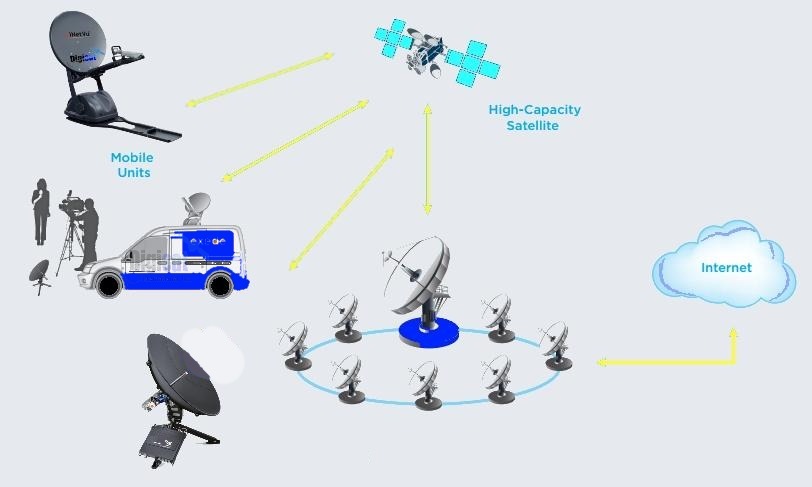
How Satellite Internet Works
Satellite internet is internet from space, with satellites orbiting Earth instead of wires on the ground. No tall trees blocking, you need a clear view of the sky.
In general, there are two types of satellites: GEO and LEO. GEO denotes Geostationary Orbit. These satellites are ultra-high at about 35,786 km. They remain in one place like a stationary balloon. However, it takes longer for signals to travel up and then back down due to the greater distance. This slowness is called “latency.” It’s as if you shout to someone at a distance and await the echo. GEO latency is high, around 600 milliseconds. This kind of satellite is used by companies like HughesNet and Viasat. Speeds range from 25-150 Mbps.
LEO stands for Low Earth Orbit. Satellites orbit at closer range, 500-2,000 km up high in the sky. They circle like fast cars. With shorter distance comes faster signals: “low latency,” 20-40 milliseconds. Speeds also go superfast, up to 400 Mbps. Starlink uses thousands of LEO satellites.
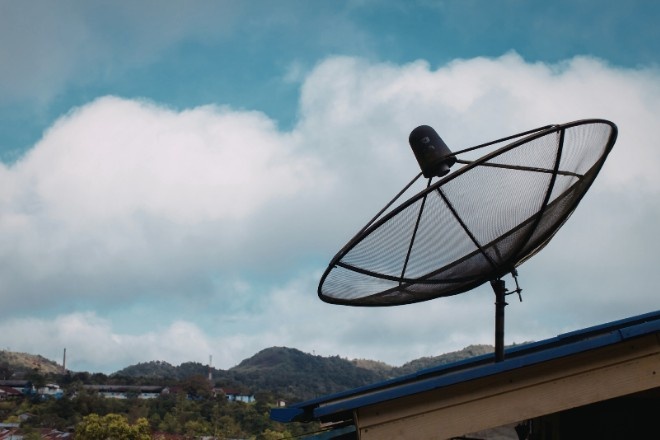
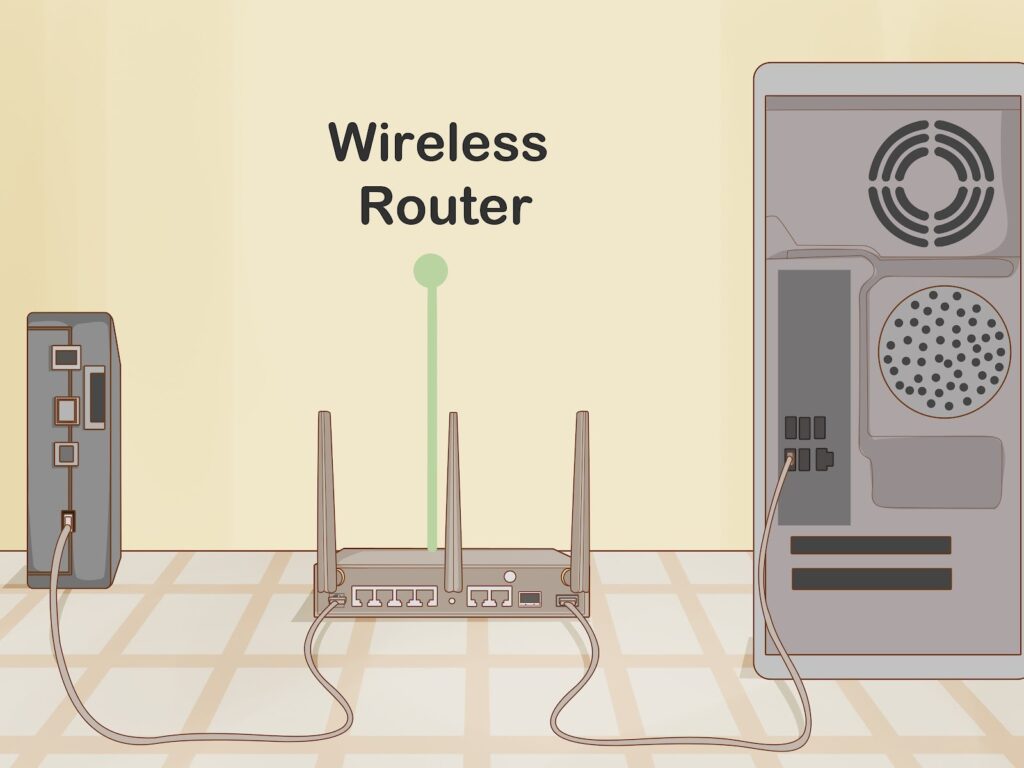
Installation is a snap. You get a dish for your roof like a big bowl. It faces up to the sky. Inside the home, a modem turns signals into Wi-Fi. Plug it in, and off you go! But why different speeds and delays? In GEO, far distance slows things down. That’s LEO, close by is quick. Weather such as rain may weaken signals. But new technologies are constantly being brought forward.
Think of this as mail: GEO is sending a letter by plane to a distant place–slow. LEO isa bike delivery nearby–fast. Satellite internet service works everywhere with a view of the sky, making it perfect for inaccessible spots.
Major Satellite Internet Providers Overview
Let’s look at the big companies. Each has special things.
Starlink
SpaceX, Starlink’s father, rolled it out in 2019. Hundreds of thousands of satellites in low Earth orbit for fast internet.
Main features: Latency is low, and data rates are 20-40Mbps. Unlimited data on most plans. Coverage of over 155 countries worldwide is expanding rapidly.RVs and boats are free to roam.
Planned pricing: Residential prices are 200 Mbps for $50 /mo, 200 Mbps for $80/mo, and the max speed is 400 Mbps for $120/mo. Roaming data 100GB $50 /mo and Unlimited traffic is $165 /mo with the THSC (temporary/permanent hardware service contracting). Kit costs are not included and must be paid at the time of installation.
Pros: Very fast, for games and calls, the delay is low, and most plans have unlimited data.
Cons: When the weather changes, so do signal levels; many plans require high-cost kits, and there may be waitlists in crowded areas.
Best for: Those living in rural areas, remote workers who telecommute by day and game at night, gamers, and streamers alike.
HughesNet
HughesNet concentrates on delivering the best service it can to American consumers. It seeks to occupy the higher end of the market in the United States.
Key Features: Covers all the US and is a safe bet for simple things. Fusion Plan Debundling and mixing Satellite technology with fixed wireless makes it lower latency.
Plans & Pricing: Lite $39.99/mo 25Mbps, Select $49.99/mo 50Mbps, Elite $64.99/mo 100Mbps, Fusion $94.99/mo 100Mbps. Regular data 100-200GB, then it slows down. Lease equipment is available, install is free.
Pros: Available everywhere, inexpensive start (One-Time start fees may apply), and fixed prices.
Cons: High latency,y 600ms, data caps, not for heavy streaming or games.
Best For: Email, web browsing, basic video. If you live in the countryside with no other choice, this is your only choice.
Viasat (formerly Exede)
Viasat is a GEO with big coverage in the US and more.
Key Features: Higher data plans, good prices. Unleashed unlimited.
Plans & Pricing: Essentials $39.99 promo then $69.99/mo 50Mbps, Unleashed $99.99/mo 150Mbps unlimited. Equipment lease or buy.
Pros: Flexible plans, unlimited options, wide coverage.
Cons: Latency 600ms, weather issues, data slows after priority on some.
Best For: Moderate use, like streaming, rural families.
Other Satellite Providers (Regional / Niche)
In addition to the traditional big three, others help in specific areas.
Amazon Leo (Project Kuiper): Our new constellation, in service by 2026. Up to 400 Mbps, global. Currently targeting businesses first, $400 or less for ground terminals. Pros: Fast, AWS link. Cons: New, wait for full service. For enterprises and rural areas.
Eutelsat OneWeb: MEO satellites will provide low latency for businesses. Global, selling to companies and governments. Pros: Reliable, enterprise tools. Cons: Not cheap for homes. For maritime, aviation, and remote work.
EarthLink: Working with Viasat on satellites. Focuses on the US, a good service. Pros: Trusted support. Cons: Same as Viasat. For rural US.
In Europe: Eutelsat Konnect for homes. Africa/Asia: Yahsat, Thaicom regional. And a government supplier, like NBN in Australia. Maritime: Inmarsat, Iridium for boats. Pros: Local focus. Cons: Limited areas.
Comparison of Satellite Providers
Here’s how they stack up. Numbers from 2026.
| Provider | Tech Type | Typical Speeds | Latency | Data Limits | Best For |
| Starlink | LEO | 50–400+ Mbps | Low (20-40 ms) | Varies, unlimited on most | High-demand users like gamers |
| HughesNet | GEO | 25–100 Mbps | High (600 ms) | 100-200 GB priority | Basic use like email |
| Viasat | GEO | 50–150 Mbps | High (600 ms) | Varies, unlimited options | Mid-tier users for streaming |
Quick Summary:
- Fastest speeds: Starlink.
- Best low latency: Starlink.
- Best value: HughesNet for cheap basics.
- Best coverage: All wide, but Starlink global.
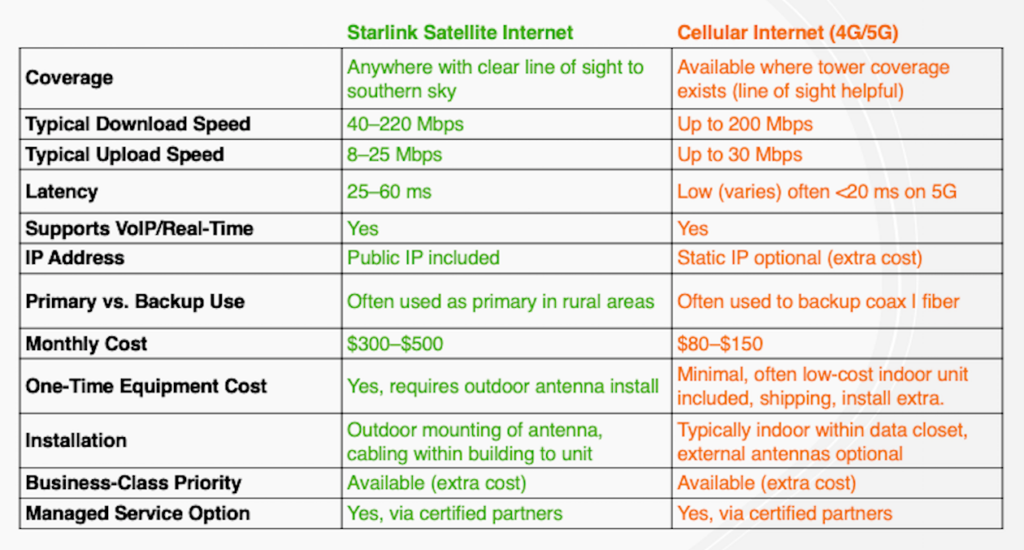
Starlink wins for speed and delay. HughesNet and Viasat are good for simple needs. Amazon Leo, coming soon,n might change things.
Pros of Modern Satellite Internet Providers
Modern satellite has many good sides!
- Found in places not served by optical fiber or cable: Remote areas, islands.
- With LEO bringing the next level of speed – take Starlink as an example: In 400 Mbps, for videos.
- For motor homes, yachts: Offer internet service at any time and place.
- Installation is quick and simple: Need no more than setting it up without any wires.
- As a backup system, satellite Internet has utility: When a primary fails to work,k the radio signal does not change.
- There are several things we can bring,g not only with the advent of LEO-based satcoms at high speeds, which help to close the digital divide.
These make satellitese better than ever!
Cons of Satellite Internet
But there are bad sides.
- Signal affected by weather: Rain or snow slows it—”rain fade.”
- Latencyis high in GEO: Delay for games or calls.
- Higher cost: Equipment $599, plans $50-165/mo.
- Data caps on some: Slow after limit.
- Needs a clear sky: Trees or hills block the dish.
- Not great for pro gaming in GEO: Lag issues.
Think about these before choosing.
Who Should Choose Satellite Internet?
Satellite fits some people best.
Rural Families: No wires? Satellite brings movies and homework.
Remote Workers & Students: Video calls, online classes with low-latency LEO.
RV Travelers / Digital Nomads: Mobile plans go anywhere.
Boats & Offshore Workers: Stay connected at sea.
Backup ISP for Businesses: Extra when the main fails.
Not ideal for competitive gamers (unless LEO): Low delay needed.
Each group gets internet where others can’t.
Cost & Installation Guide
Costs vary.
Equipment Costs: Dish + modem. Starlink $599 buy. HughesNet/Viasat lease $10-15/mo, free install. Pro install $0-200.
Monthly Plans: $39.99-165/mo. Unlimited vs tiered: Viasat/Starlink unlimited, HughesNet capped.
Tips to Save: Seasonal for vacation homes. Bundle phone/TV. Government subsidies like BEAD for rural areas. Check promo deals.
Future of Satellite Internet
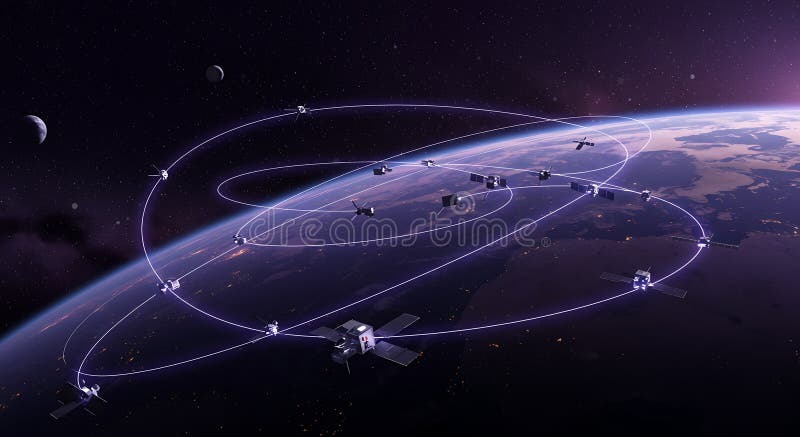
In 2026, yet more satellites will be added to your orbit. Rivals of Starlink in LEO (Low Earth Orbit) launch even more satellites. LEO connectivity gets even faster! The hardware is cheaper as well, for example, nearly new versions for under $40,0, like Amazon Leo. A mixed 5G satellite-cells approach will be better. Progressively bridging the digital divide. That should change quickly in the future. Their global report gives note…15 million subscribers, $15B revenue. Starlink Innovation: D2D for phones. ever more orbits. It’s exciting times!
FAQ Section
Is satellite internet faster than DSL?
Yes, often. Satellite up to 400 Mbps, DSL 1-200 Mbps. But DSL has lower latency.
Does the weather affect satellite internet?
Yes, rain or snow can slow it.
Can I use satellite internet for streaming?
Yes, especially LEO. GEO might buffer.
What speeds can I expect?
25-400 Mbps, depending on provider.
Is satellite internet better than 4G/5G cellular?
For remote, yes—wider coverage. But cellular has lower latency if the signal is good.
Conclusion
Starlink is fast and can be used anywhere, but HughesNet is a good choice if you’re using it mainly for the basics: email and web browsing. Viasat, on the other hand, has limits less than others in today’s market, and unlimited use is moderate. The other big companies of the same type-Amazon Leo, for example -have yet to announce what services will be added within a short period of time.
Choose Starlink if you’re after speed, HughesNet on the budget, and Viasat if you want unlimited data. But please bear in mind: if fiber is available in your area, forget about satellite internet. Remember: Geographical location and what you want to use it for (gaming? video streaming?) will affect the best-for-you choice on both sides of that coin there. Use tools to check availability. The sky gets bigger in 2026!