


Introduction
Say you are watching your favorite cartoon on YouTube. Until all of a sudden, it just freezes and says “loading.” Or you are playing online with friends, and your character gets frozen! That is annoying, right?
Nowadays, we need super-fast internet for everything—from streaming movies and playing games to doing school homework on video calls, controlling smart lights at home, and even chatting with grandparents far away.
Today, over 6 billion people in the world use the internet—that’s 3 out of every 4 people on Earth! Who doesn’t want the internet that is quick and never stops?
There are different kinds of internet:
- DSL (uses old phone lines—slow)
- Cable (drains TV cable — fine, but slows down when neighbours connect
- satellite (from spa—worksks anywhere, but big delays)
- Fiber—the fastest and most reliable one!
We will also discuss what fiber internet is, how magic light makes it work, why it’s best, and where you can get it through us in this simple article. You can even understand if you are in class 8! Let’s go!
What IFiberre Internet?
Fiber-optic internet is a special type of internet that travels through thin threads of glass or plastic inside cables. These threads are thinner than your hair!
Instead of sending electricity like old copper wiresfiberre sends tiny flashes of light. Light is the fastest thing in the universe, so it carries your videos, games, and messages super quickly and far without getting weak.
Think of it like this: Old copper wires are like sending messages by bicycle. Fiber is like sending them by rocket!
Real speeds example:
- Fiber can give you 1,000 Mbps (called 1 Gbps) or even 8,000 Mbps! You can download a full movie in 10 seconds.
- DSL is usually only 20-100 Mb—a movie takes minutes.
- Cable is fasterbut itit slows if many people in your area are online.
Types ofiber:e:
- TT (Fiber to the Home—the best Fiberree comes right inside your house).
- FTT (Fiber to the Premise)—for offices and big buildings.
- FTTC (Fibre to the Curb)—fiber stops near your street, then old wire to your house (not the fastest).
- Fiber is like a superhighway just for your data. No traffic jams!
An Overview Of Optical Fibre Cable Structure And Components
How Fibre Internet Works
Let’s understand step by step a fun story!
The Fibre-Optic Cable Structure
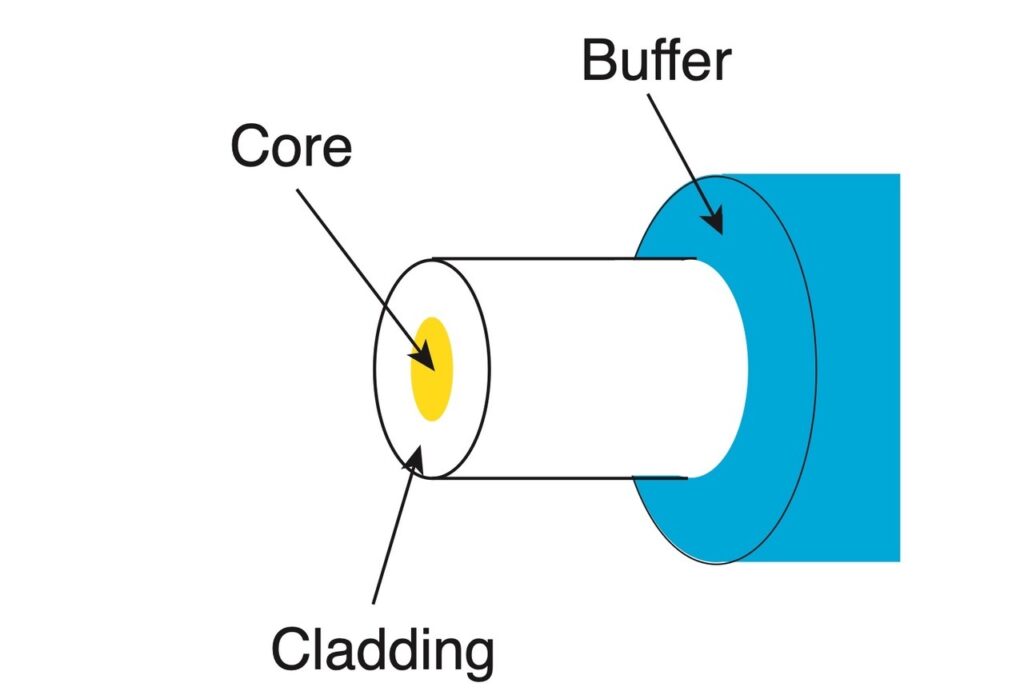
fiberre cable consists of three main parts (think layers in an onion):
- Co—the central glass or plastic tube through which light travels.
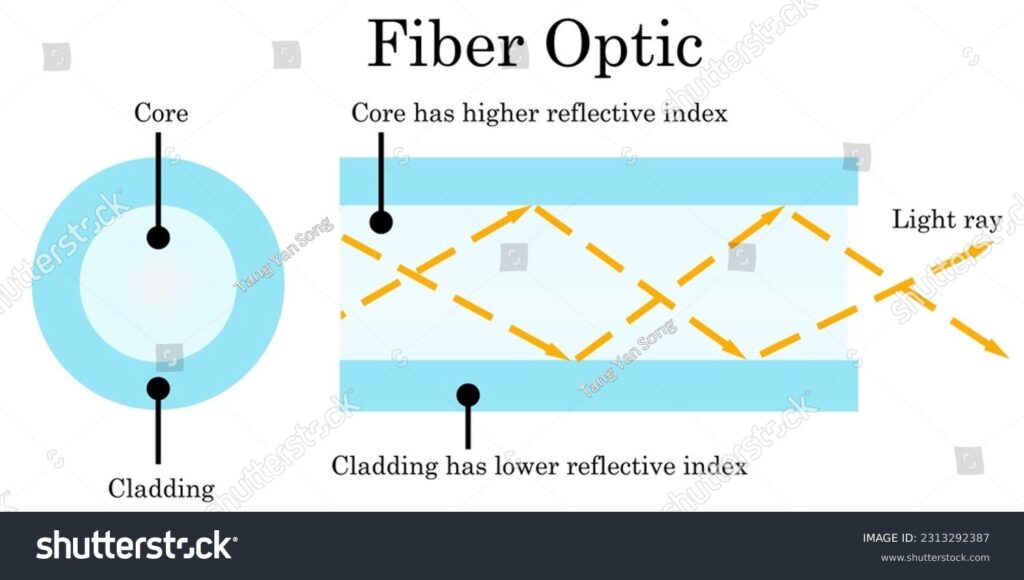
- Cladding—a shiny layer surrounding the core that reflects the light into it (so no light escapes!)
- Protective strong plastic outside to keep it safe from rain, animals, or digging.
Easy analogy: Do you have a torch available or access to the internet? The light reflects over and oveagain untilil it reaches the other end perfectly. That is precisely how the light remains within thfiber!e!
Data Transmission Through Light
Your phone or computer changes videos and messages into 0s and 1s (binary code).
At the internet company, a tiny laser turns these 0s and 1s into super-fast on-off flashes of light (like blinking a torch very quickly).
The light zooms through the glass core at almost the speed of light!
There are two kinds:
- Single-mode (one straight light pa—foror long distances)
- Multi-mode (many light paths—for short distances inside buildings)
Almost no light is lost, so the signal stays strong even after mankilometers.s.
Internet Delivery Process
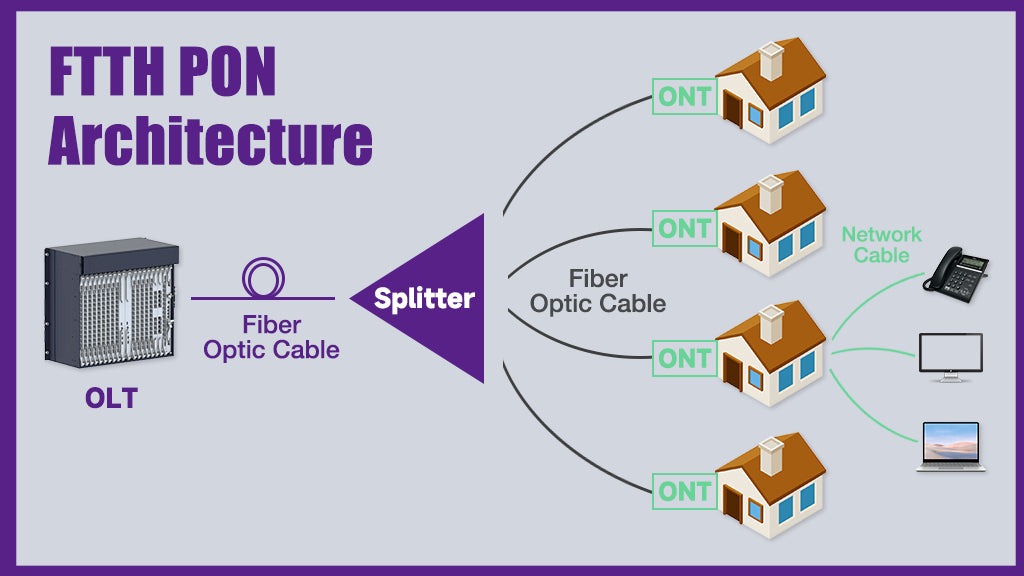
- Bifiber cables (backbone) come from the Internet Service Provider (ISP) to your neighborhood. d.
- Small fiber lines reach your building or street.
- A small box called an ONT (Optical Network Terminal) is fixed in your home. It changes the light flashes back into normal electric signals.
- The ONT connects to your Wi-Fi router.
- Now your phone, laptop, TV, and smart toys all get super-fast internet!
Simple diagram of the journey: ISP → fiber cable → your street → ONT box in your house → router → your devices.
Fibre to the Home (FTTH): A Simple Introduction – VCELINK
Advantages of Fibre Transmission
- Speeds up to 1 Gbps or more
- Very low waiting time (latency perfect for games
- No interference from rain, thunder, or nearby wires
- Light uses very little electricity—good for Earth!
Benefits of Fibre Internet
Speed
Fiberre gives the same fast speed for downloading and uploading (symmetrical). You can watch 4K movies without buffering, upload school projects in seconds, and play games smoothly.
Reliability
Rain or snow, the Fiberre still works great. Cable and satellite often stop. Fiber has 99.9% uptime—it rarely breaks!
Low Latency
In games, your actions happen instantly. In video calls with friends or a teacher, there is no awkward delay.
Future-Proof
Even if you want 10 Gbps later, the same cables can handle it. No need to change wires!
Many Devices
Mommymy on Zoom, Daddy uploading files, brother gaming, sister streami—everyonene happy at the same time!
Real story: Families who switched to Fiberay say, “No more fighting for Wi-Fi!” and “Downloads that took 30 minutes now take 30 seconds.”
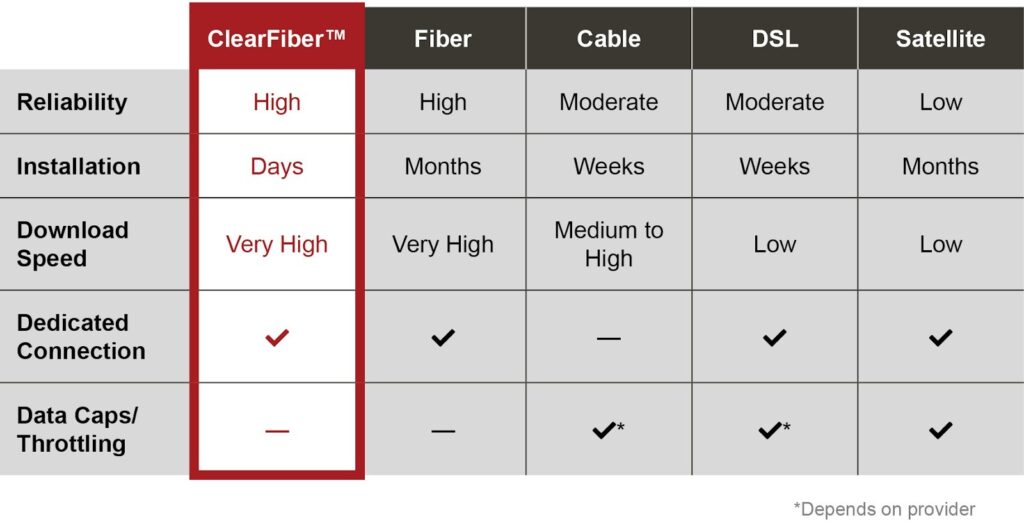
5Fiberre Internet vs Other Types of Internet
| Type | Speed | Latency (delay) | Reliability | Cost | Available |
| DSL | Slow (up to 100 Mbps) | Medium | Moderate | Low | Very wide |
| Cable | Medium-Fast (100-1000 Mbps) | Medium | Moderate | Medium | Wide |
| Satellite | Slow-Medium (25-100 Mbps) | Very High | Low (bad weather) | High | Anywhere |
| Fiber | Very Fast (1 Gbps+) | Very Low | Very High | Medium-High | Growing fast |
Why fiber wins:
• For streaming and gaming—no lag, no buffering.
• For future tech like self-driving cars and smart cities, IBERRE is ready!
How to Get Fibre Internet
- Go to your ISP website or call them and type your address to check ifiberre is available in your area.
- Choose a plan (usually 300 Mbps, 1 Gbps, etc.).
- A technician comes home, installs the ONT box, connects the router, and tests speed.
- Cost: Installation is often free in offers. The monthly plan starts from about $40–80, depending on speed.
Note: In big cities, it is easy. In villages, it is still growing b, but coming soon! Look for special offers like the first month free.
Things to Consider Before Choosing Fibre Internet
- Is fiber available where you live?
- How many people and devices use the internet at home? Gamers and big families need higher speed.
- Check the monthly price and contract (some have a 1-year lock).
- Make sure your router and Wi-Fi can handle fast speeds.
- Read rereviewomeme ISPs are friendlier than others.
Tip for students and gamersFiberre makes online classes and games way more fun!
Future of Fibre Internet
Every year, more houses and schools gefiber.e. Soon, even villages will have it.
New speeds like 10 Gbps are already starting!
Fiberre will help smart cities: traffic lights that talk to cars, hospitals with live video from doctors, and millions of smart gadgets working together.
It uses less electricity than old networks—so it is good for our planet too!
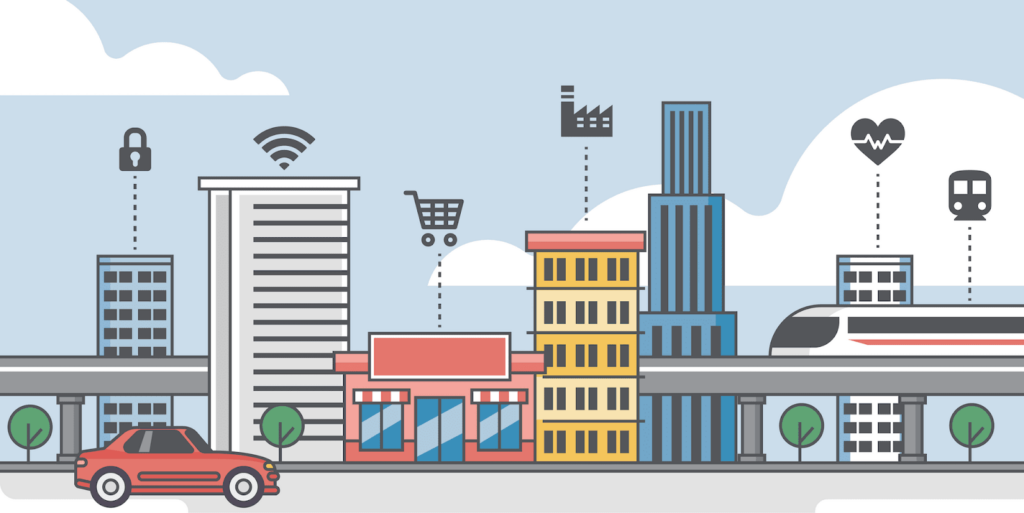
The Smart City Blueprint for Urban Innovation
Conclusion
Fiber-optic internet is like magic glass threads that send your data as super-fast light flashes. It is the fastest, most reliable, and future-ready internet today.
Witfiber,e, your videos never buffer, games never lag, and everyone at home stays happy online.
So, ask your parents to check if Fiber is available in your area. It is not just the internet of today; it is the internet of tomorrow!
FAQs
Is fiber better than cable? Yes! Same or faster speed, but no slowing down when neighbors see it.
Cafiberre work in villages? Yes, it is reaching more places every year.