








Introduction
More and more people in cities are getting on the Internet. They can always find places for them to do so at home or on the road in our very connected world. In contrast, out here in rural regions, making good connections can be hard indeed. We call this the digital divide. In simple terms, it means that people in cities can watch videos, work onlin,e and learn at home with great ease. But those living in small rural villages or on farms find life much more difficult. Why? To build cables that support high transmission rate fibre optic cables or cable TV networks out in the wilds costs untold amounts of money. Companies aren’t going to put up those kinds of sums just to serve a few customers.
Toda,y the rural areas need the internet very much. Children are trudging through their homework online. Doctors use telemedicine to examine patients from thousands of miles away, even conducting live examinations of the results simultaneously. Farmers sell crops on the web. People working at home hold video meetings. If one doesn’t have good internet, life in rural areas falls into a quagmire.
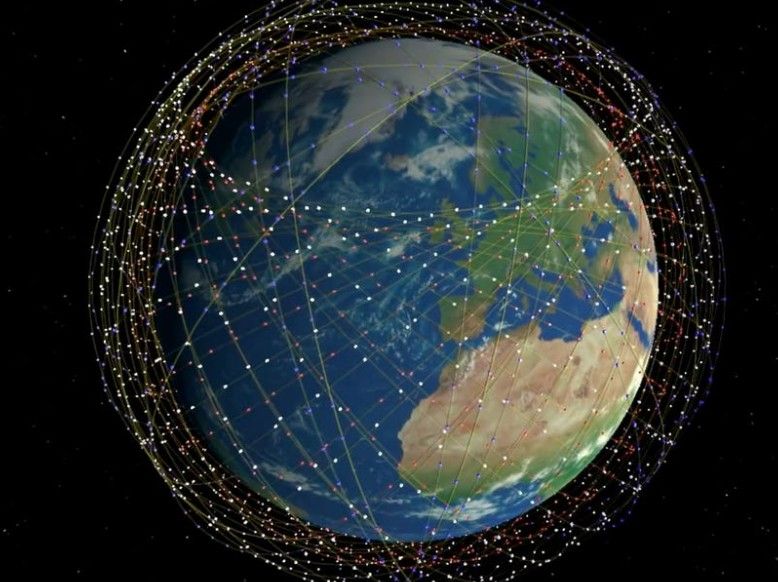
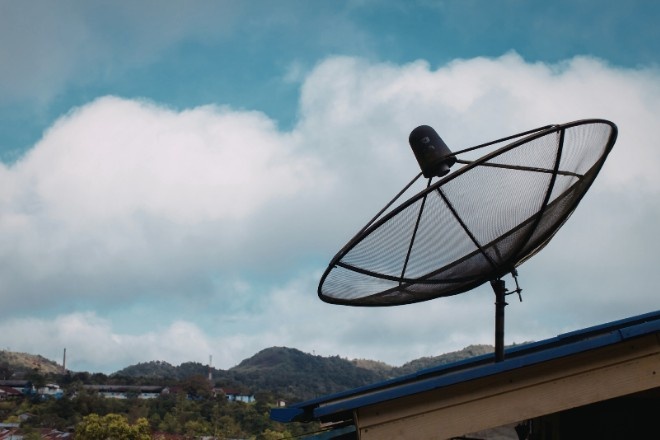
Satellite internet can help change that. It sends signals from space satellites to a dish set on your roof. No cables needed! Starlink, HughesNet, and Viasat are big providers of satellite internet. Starlink is brand new and uses low-flying satellites for faster speeds. HughesNet and Viasat use ones that are further away but cover wide areas.
This guide provides everything you need to know simply and straightforwardly – What satellite internet is, Why rural spots need it, The good sides (pros), the bad sides (cons), How it fits into the rest of today’s communication options, What it costs, Whether or not it’s worth putting up with, And finally, the future. When finished you will have all the information you could want to decide if satellite internet fits into your rural home.
What Is Satellite Internet?
Satellite Internet is aish gat online way with machines in sapce that are called satellites. These Circle the Earth and pass internet signals down to points on land. Other so that with systems needn’t be connected by wires buried underground.
It’s the solution for areas unreachable by cable.
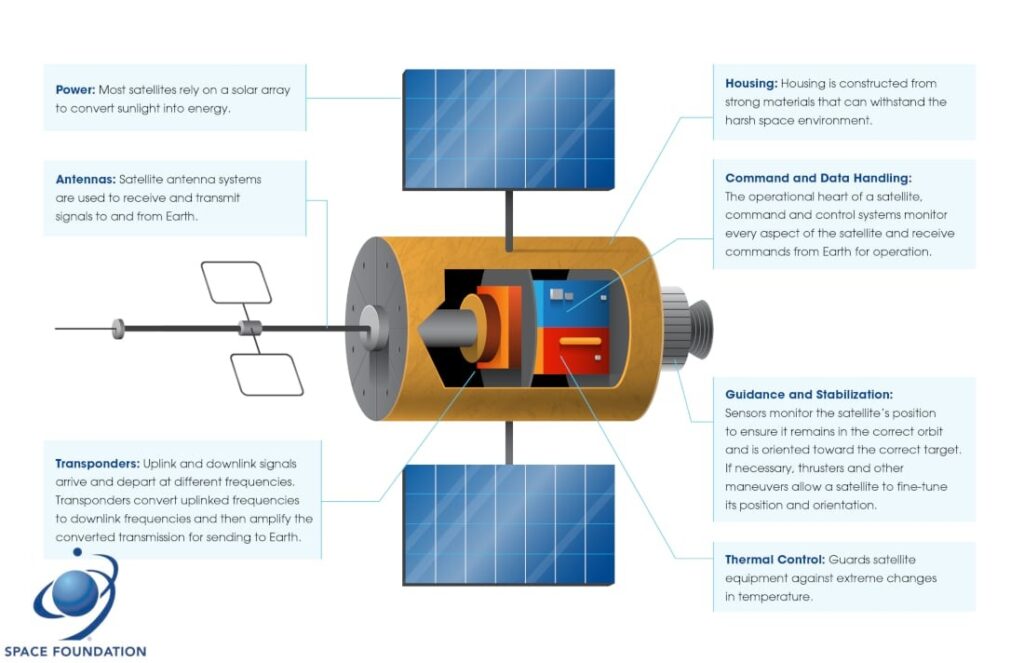
To use it, you need some basic things:
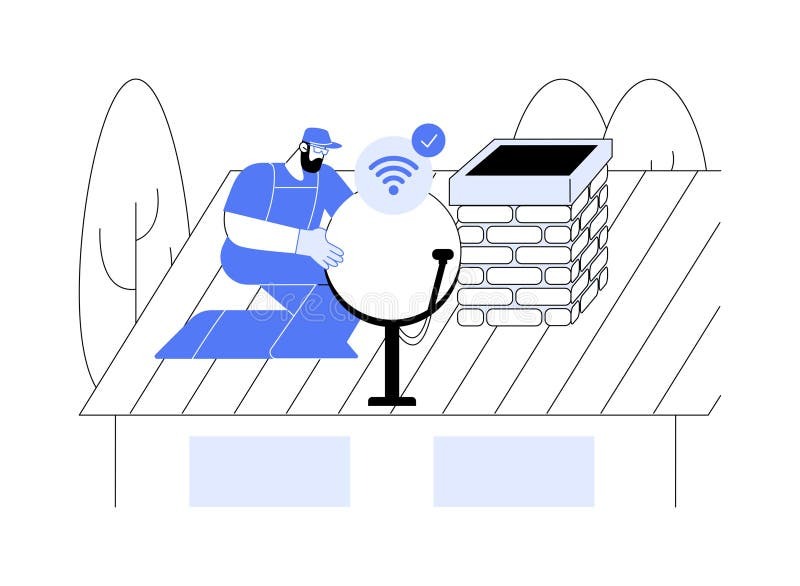
- The satellite dish: That big round antenna is put onto the roof or outside of your house. It’s pointed up at space (the sky).
- A modem/router: This is a little box inside your house that takes the signals and changes them into Wi-Fi for you cell phone or laptop.
- Clear view of the sky: There are no tall trees or buildings to block the dish.
- Sometimes, a pro will come over and get it installed.
How does it work? Here’s a simple step-by-step:
- You open a website on your computer. This sends a request.
- The request goes to your modem, then to the dish.
- The dish shoots the signal up to the satellite in space.
- The satellite sends it to a big ground station on Earth. The station gets the info from the main internet.
- The info comes back: ground station to satellite, satellite to dish, dish to your computer.
The signal travels far—up to space and back! This causes a small wait called latency. Latency is like a pause in a game. In old satellites, it’s long (500-700 milliseconds). New ones are shorter (20-40 ms).
See this easy diagram:
Satellite internet is different from wired ones because it works anywhere with sky view. But it can be affected by weather, like rain making signals weak. Still, it’s a big help for rural folks.
Why Rural Areas Need Satellite Internet
There are not many options to access the Internet in rural communities Fiber requires thick wire cable, which takes machinery to lay and prices out of reach for places as spread as farms and mountains Companies don’t like dealing with rural locations–it takes too much money just for a few people. Cable uses TV coaxial cable, but this does not reach far into the country-side. DSL uses telephone lines, but it’s slow and outdated.
Real rural life will be something like this: A farmer working in a large field needs to check out the price of his crops online. A family residing deep inside forest performs school assignments. A village sitting on some hills wants their doctors to use video links, too. Workers who are at sea use internet to stay in touch and off the job Without a good ‘net, all these things are tough.
Internet is key now:
- Online education: Kids learn from videos or classes at home. No internet means falling behind.
- Telemedicine: See a doctor without driving hours. Good for old people or sick ones.
- Remote work: Jobs like writing or selling online from anywhere. Helps rural economy.
- E-commerce for farmers: Sell fruits or animals on websites. Check weather to plant seeds.
Satellite fills the gap. It reaches 99% of places. Governments help too, with programs to bring better internet to rural areas by 2026. But satellite is quick—no waiting for cables.
Pros of Satellite Internet for Rural Areas
Satellite internet has many good points for rural living. Let’s look at them one by one.
Available Almost Anywhere
It is worked right into off-the-beaten-track areas and does not require on the scene cables. This is advised for rural sites with no cable options, such as farmland, mountains and islands. Generally fiber is only in cities. DSL needs a phone line, which is not always there. As for Satellite? You have to have an unobstructed view of the sky Region Land The He Mean A farmer living far from the lights of town can get it where everything else fails.
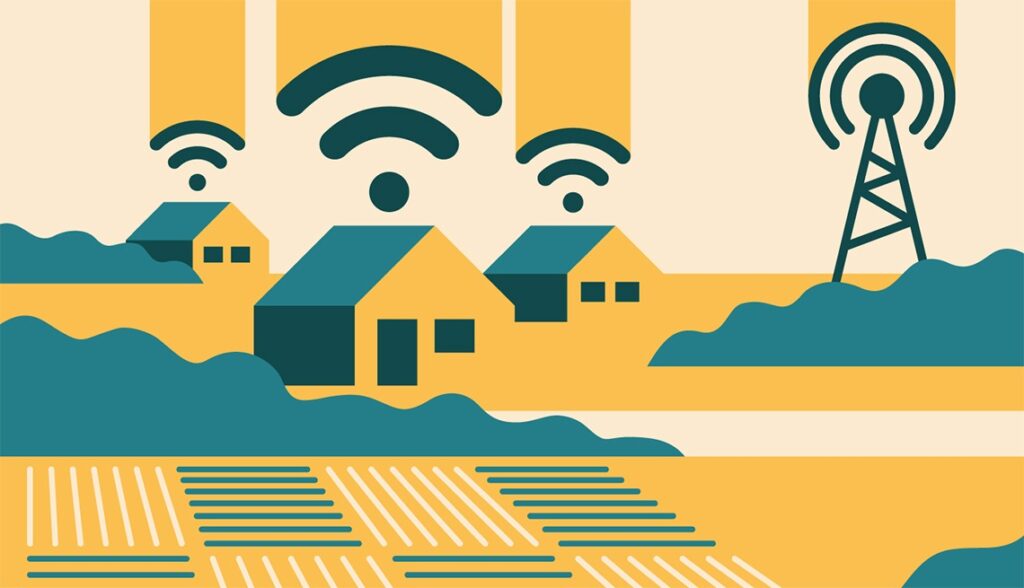
Wi-Fi antenna embedded mobile phone antenna, the wireless signal coverage network PPT icon material! No wired laying. Some can be installed within days,
Quick Deployment
instead of whole months! Suited to new homes or other short-term, temporary locations such as building sites. Fibre takes months to lay. Satellite? Call, get dish, done. Pro install generally free.
Improving Speeds with LEO Satellites
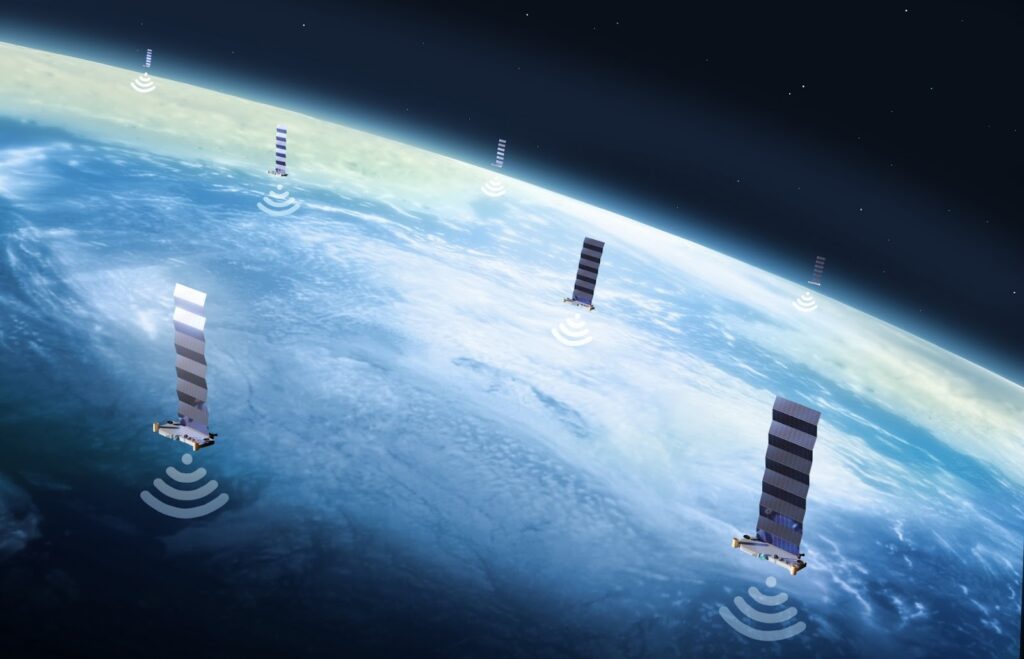
Outbound bandwidth is much better than inbound on previous GEO satellites. With them, 25-100 Mbps downlinks still have a high latency. HughesNet and Viasat satellites are in the same orbit. LEO (low, 550 km) is a marked improvement. Starlink relies on LEO to offer download speeds more than 100 Mbps but never 400kbps and latency of 20-40 ms. This kind of delay is great for live video or voice calls. GEO may take ages to receive, but LEO is instantaneous.
With steadily good speeds, you can do Zoom calls, take online classes, upload or download files via the cloud. Freelancers can work from rural homes, and kids can study without lag. LEO makes it all quite smooth. Example: A teacher in a village is lecturing online.
Reliable Internet backup
If your main internet fails (such as when the storm cuts wires), satellites will keep going. Businesses use it as a supplement. There is less damage from weather on the ground. But at sea and that kind of thing–satellites are still there. Reliability adds up.
Expanded Coverage Globally
Launches of more satellites, competition growing. Equipment becomes better and better. By the year 2026, 15 million customers worldwide. It also helps resolve the digital divide. Thousands more are brought on line by Starlink.
But all these plus points mean that the game changer of the rural areas is satellite: it brings the world to your doorstep.

Cons of Satellite Internet for Rural Areas
Satellite isn’t perfect. Here are the bad sides for rural users.
Higher Latency
Signals go to space and back—thousands of km. This causes delay. GEO: 500-700 ms, like slow response in talks. Affects gaming, trading, eSports. LEO: 20-40 ms, better but still not like fiber (10-20 ms). Rural gamers notice lag.
Weather Interference
Rain, storms, snow weaken signals. Called “rain fade.” In rural rainy areas, internet slows or stops. Not as bad as old days, but happens. Fixed wireless or fiber less affected.
Dish and modems now cost more. $599 upfront for a Starlink kit, no contract. Monthly: $10-15 (lease price); Free installation. HughesNet/Viasat: Monthly plan prices $70-120 Fiber or DSL modem costs less monthly (typically $30-60), but is not available. Fewer choices for gallery users than townies and city-dwellers.
Data Caps (Some Providers)
Some plans limit data. After reaching the threshold, some areas of speed will slow down Click here to return HughesNet: Unlimited, but slower after priority data allocation Starlink : No caps usually. This is not good for heavy users with video streams all day long.
Not Ideal For Heavy Gamers Ping (latency) pretty high in GEO. And traditional games require quick reaction LEO is better, but far from perfect. Children With no broadband or phone line can’t play Modern Warfare online as the service keeps freezing/pixellating.
Requires Clear Sky
Dish needs open sky. Trees, hills block. Positioning hard in wooded rural areas, e.g. End up having to cut trees, or move dish.
These drawbacks should be weighed carefully. Suitable for basic use. But for higher requirments – perhaps wait for something better.
Satellite Internet vs Other Rural Internet Options
In rural areas, options are satellite, DSL, fixed wireless, fiber (if lucky). Here’s how they compare. Numbers from 2026 averages.
Satellite vs DSL
| Feature | Satellite | DSL |
| Speed | 25-400+ Mbps | 5-200 Mbps |
| Latency | 20-700 ms | 30-100 ms |
| Availability | Almost everywhere | Where phone lines exist |
| Cost | $70-120/mo | $30-70/mo |
| Reliability | Weather affects | Steady but slows far away |
DSL is cheaper, lower latency, but slower and not everywhere. Satellite better for no lines.
Satellite vs Fixed Wireless
| Feature | Satellite | Fixed Wireless |
| Speed | 25-400+ Mbps | 25-1000 Mbps |
| Latency | 20-700 ms | 10-50 ms |
| Availability | Almost everywhere | Near towers |
| Cost | $70-120/mo | $50-80/mo |
| Reliability | Weather affects | Good, less weather issue |
Fixed wireless faster, lower latency if tower near. But not as wide as satellite.
Satellite vs Fiber
| Feature | Satellite | Fiber |
| Speed | 25-400+ Mbps | 300-10,000 Mbps |
| Latency | 20-700 ms | 10-20 ms |
| Availability | Almost everywhere | Limited rural |
| Cost | $70-120/mo | $50-150/mo |
| Reliability | Weather affects | Very high |
Fiber best, but rare in rural. Programs expand it by 2026. Satellite fills gap now.
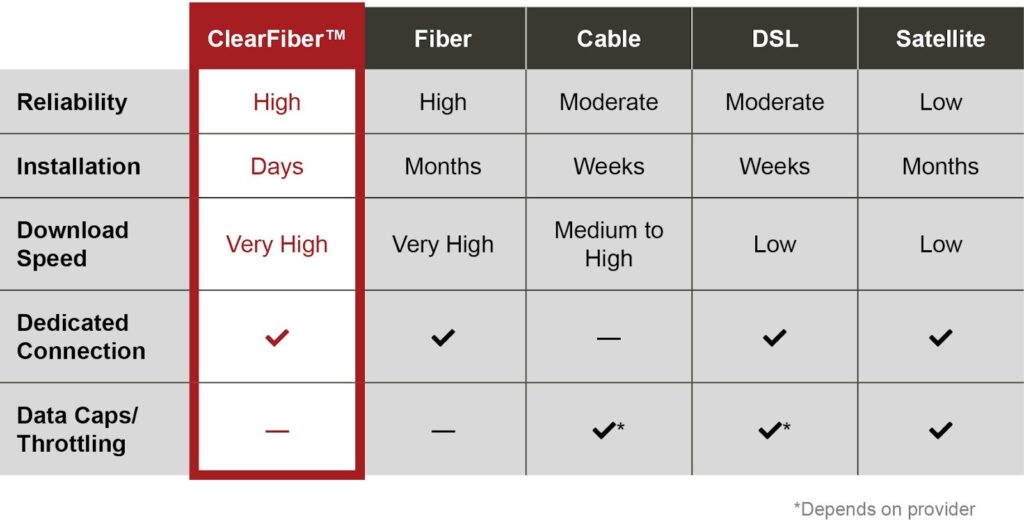
See this chart:
Cost Breakdown for Rural Users
How much would it cost? Everything depends on which provider we choose. There is no single number that can be given. Equipment costs once off range between $0-599: $599 for the Starlink kit. HughesNet/Viasat lease, free setup some second-hand units available
For the month: Basic $39.99 promo, $69.99 thereafter (Viasat). HughesNet, $25 off the first year. Starlink $120. More for unlimited plans. Premium faster speeds start at $120.00
GEO is cheaper but slower LEO is more expensive but the better buy for speed Compared to DSL ($30-70); higher. But worth it if there isn’t any Exclusively for Starlink users, no long contracts. Terms two years on other plans. In the country, people see it as an investment they can use for work or school.
Is Satellite Internet Worth It for Rural Areas?
Yes, if no better options. Good if: No fiber/cable, need for work/school, moderate streaming. Brings connectivity fast.
Not ideal if: Gaming priority (lag), heavy 4K (data caps), fiber available (faster/cheaper). Check fixed wireless first—lower latency. Balanced: For most rural, yes—closes divide. Wait for fiber if coming soon.
Future of Satellite Internet in Rural Regions
LEO networks are growing. With more satellites added, Starlink has covered better and as such lower latency. From 2017, we predict that un service is adapted for 2020Release status. Growth will be rapid: By 2026, 15 million users and $ 15B in revenue. Amazon Kuiper starts operations by 2020Prices fall, equipment gets cheaper. Various governmental programs such as BEAD connect rural areas with satellite. Technologically cool. Starlink tests mobile, logging in from vehicle. Rural areas now have another choice soon.
Frequently Asked Questions (FAQ Section)
Can you get reliable rural satellite internet? Most likely. Although the weather influence is widespread, LEO satellites are more reliable than GEO satellites.
Will rain affect satellite internet? Yes, when rain is heavy, it causes some slowing in “rain fade.” At other times this does not occur and the signal is OK.
Can I watch Netflix with satellite internet? Yes, particularly with LEO. GEO might hang.
Is satellite better than DSL? Yes on availability and speed. DSL is more portable, however, less lag if you have it.
How fast can I expect to find in rural areas? 25-400+ Mbps on provider
Is it good for people who work from home? Yes, best of all for call and mail. LEO is better.
Final Conclusion
The pros of satellite internet: Broad reach, quick setup, improving speeds, can assist with work/learning. The cons: Latency, weather influences, cost, data limits. If there is no other option, yes. Gaming and fiber nearby would mean avoiding satellite internet at all costs. For rural people, it is often the only recourse–choose LEO brands like Starlink. The future seems bright carrying still greater convenience.