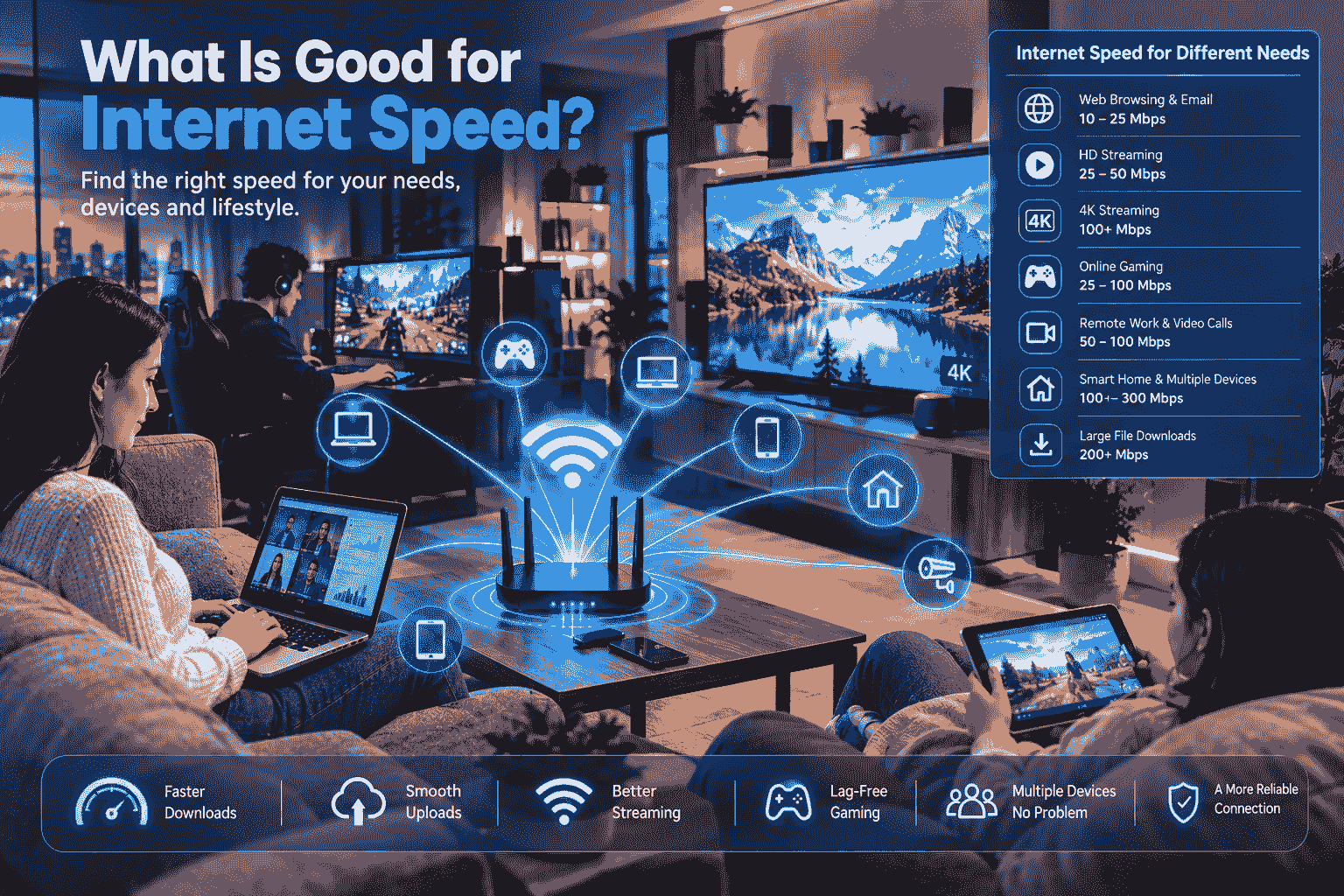







Now imagine watching your favorite cartoon, your brother is playing an online game, and Mom is in a video call for work—all of you at the same time! You live in a home that requires high-speed, dependable internet.
For now, we will discuss the three most common: fiber, cable, and DSL.

Understanding the Basics
What is Fiber Internet?
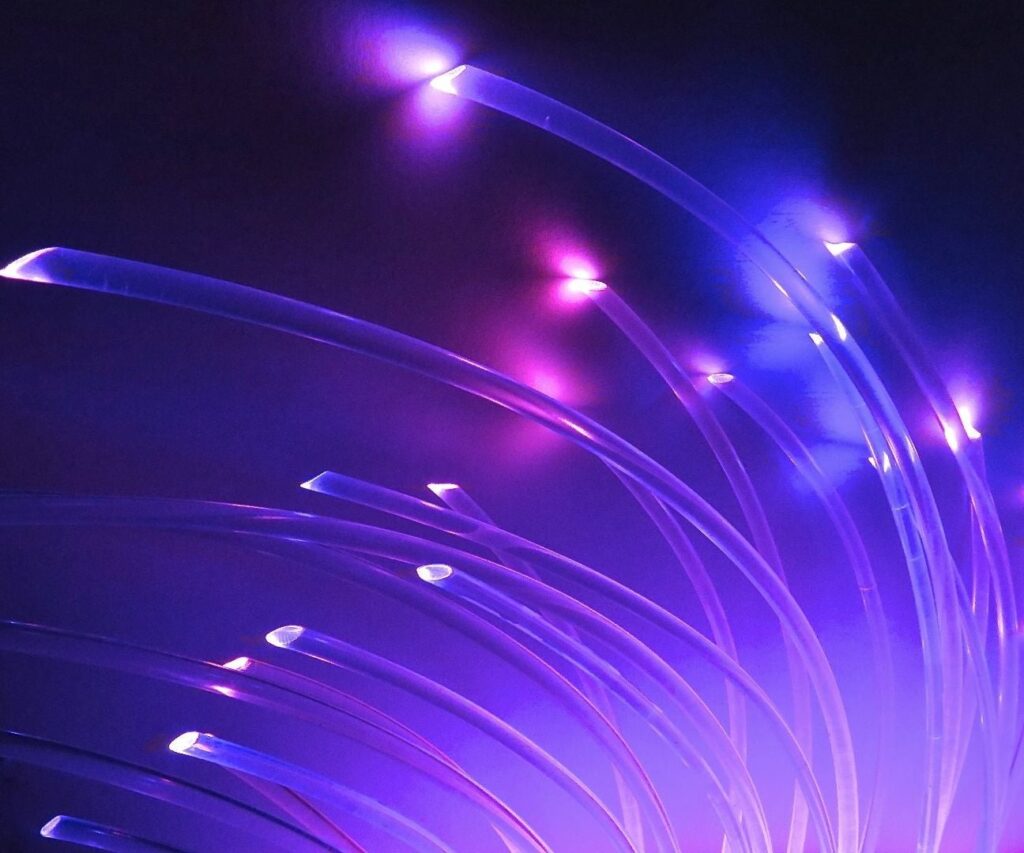
Fiber consists of very thin glass wires (thinner than your hair!). It transmits the internet using flashes of light—similar to a torch transmitting signals at lightning speed.
Typical speeds: 250 Mbps to 10 Gbps (fweee fweee fweew!).
Upload and download speeds are the same—perfect for filming videos or sending large files.
What is Cable Internet?
Cable uses the same thick black wire that brings cartoon channels to your TV.
Normal speed: 25–1000 Mbps (fast like a racing bike!).
Download is quick, but upload is slower. Many houses share one big line.
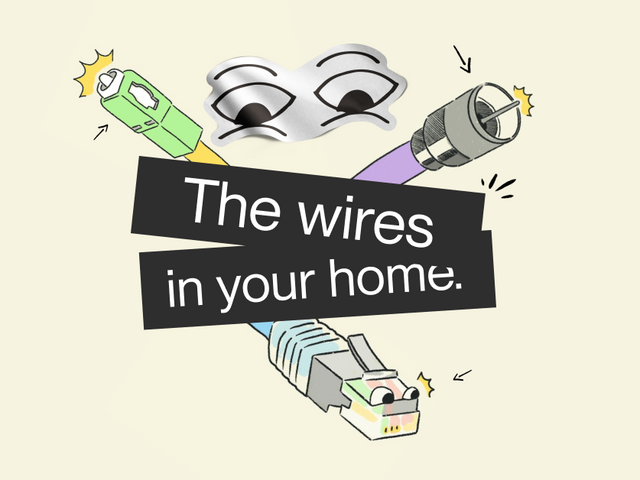
Understanding the internet lines in your home. | oxio Blog | Oxio
What is DSL Internet?
DSL makes do with the old telephone wires your grandparents used for landline calls.
Speed: 1–100 Mbps (slow, like 普通的速度: 1–100 Mbps (like a bicycle)).
Faster speeds are available only if your home is close to the company’s huge office; otherwise, you get slower speeds.
Types of Internet Connections drawing easy / How to draw Internet Connections for projects.
Speed Comparison
| Internet Type | Download Speed | Upload Speed | Best For |
| Fiber | 250 Mbps – 10 Gbps | Same as download | Games, 4K videos, many devices |
| Cable | 25–1000 Mbps | Slower | Family streaming & homework |
| DSL | 1–100 Mbps | Very slow | Simple browsing & email |
Real examples:
• 4 kids streaming cartoons + Dad gaming = Fiber wins!
• Only checking WhatsApp and YouTube = DSL is enough.
• Making school project videos = Fiber or Cable.
Reliability and Latency (Wait Time)
Reliability: Does it stop working?
- Fiber: Rarely (even if it rains or storms).
- Cable: Good, but it slows down in the evening when everyone is home.
- DSL: Adequate up close, but less dependable otherwise.
Latency = How fast your click reaches the game or video call.
- Fiber: Super low (you click, it instantly—perfect for games!)
- Cable: Medium.
- DSL: Start slow (you might notice lag in games or calls).

Where Can You Get It?
- Fiber: Mostly in cities and new towns. Not yet in many villages.
- Cable: Easy to find in towns and cities.
- DSL: Almost everywhere there is a telephone line—even in remote villages.
Installation:
DSL is the easiest (just plug in).
Cable = medium.
Fiber sometimes needs to dig new wires.
How Much Does It Cost?
- DSL: Most affordable—$20–50/month.
- Cable: med—$40–100 per mo.
- Fiber: $50 to $150 a month (but you can go super fast!)
Fiber is more expensive now, but it pays off later because it wears better for years.
6. Pros and Cons (Easy List)
Fiber Internet
Good: Fastest, same upload/download speeds never slow down, and future-proof.
The Bad: Not ubiquitous, pricier, challenging to retrofit in older homes.
Cable Internet
Good: Quick download, easy to obtain, family-friendly.
Synechron: Good speed during the day, future-ready. Bad—slows down at night, average upload speed.
DSL Internet
Good: Really inexpensive, widely available, minimal setup.
Poor: Slow, limited suitability for devices and games
Which One Is Best for YOU?
- Streaming cartoons & online gaming → Fiber (best) or Cable.
- Online classes & video calls with teacher → Fiber (clear picture, no delay).
- Economical, limited use → DSL.
- Village or small town → DSL or Cable (Fiber might not be there yet)
Real-life story:
Rahim lives in the city. He and his sister play Roblox together—they chose Fiber. No lag!
Priya lives in a village. She only does homework and watches one video—DSL is perfect and cheap for her family.
Easy Tips to Make the Internet Faster
- Put the router in the middle of the house (not behind the TV!).
- Use a good modern router.
- Turn off extra phones or games when someone is studying.
- Use wire (Ethernet) for a gaming PC—it’s faster than Wi-Fi.
- Restart the router once a week like magic!
Quick Summary Table
| Feature | Fiber | Cable | DSL |
| Speed | Super fast | Fast | Slow |
| Reliability | Best | Good | Okay |
| Latency (delay) | Very low | Medium | Higher |
| Price per month | $50–150 | $40–100 | $20–50 |
| Available | Cities mostly | Towns & cities | Almost everywhere |
| Best for | Heavy users, gamers | Families | Light use, budget |
Conclusion
Fiber is the speedster superhero—fastest and strongest, but not available everywhere yet.
Cable is a good friend—plenty rapid for your average family.
DSL is the nice older brother—low-cost and reliable when you just absolutely need basic internet.
Final tip:
See what’s available in your area first. Talk to your parents. Play games/watch lots of videos—get Fiber. If you are trying to save money and want to just surf, then DSL is ok.
Make your best selection, and enjoy buffer-free cartoons, games, and studies!
Happy surfing!
Any questions? Ask your parents to call the internet company and say, Which one is best for our house?